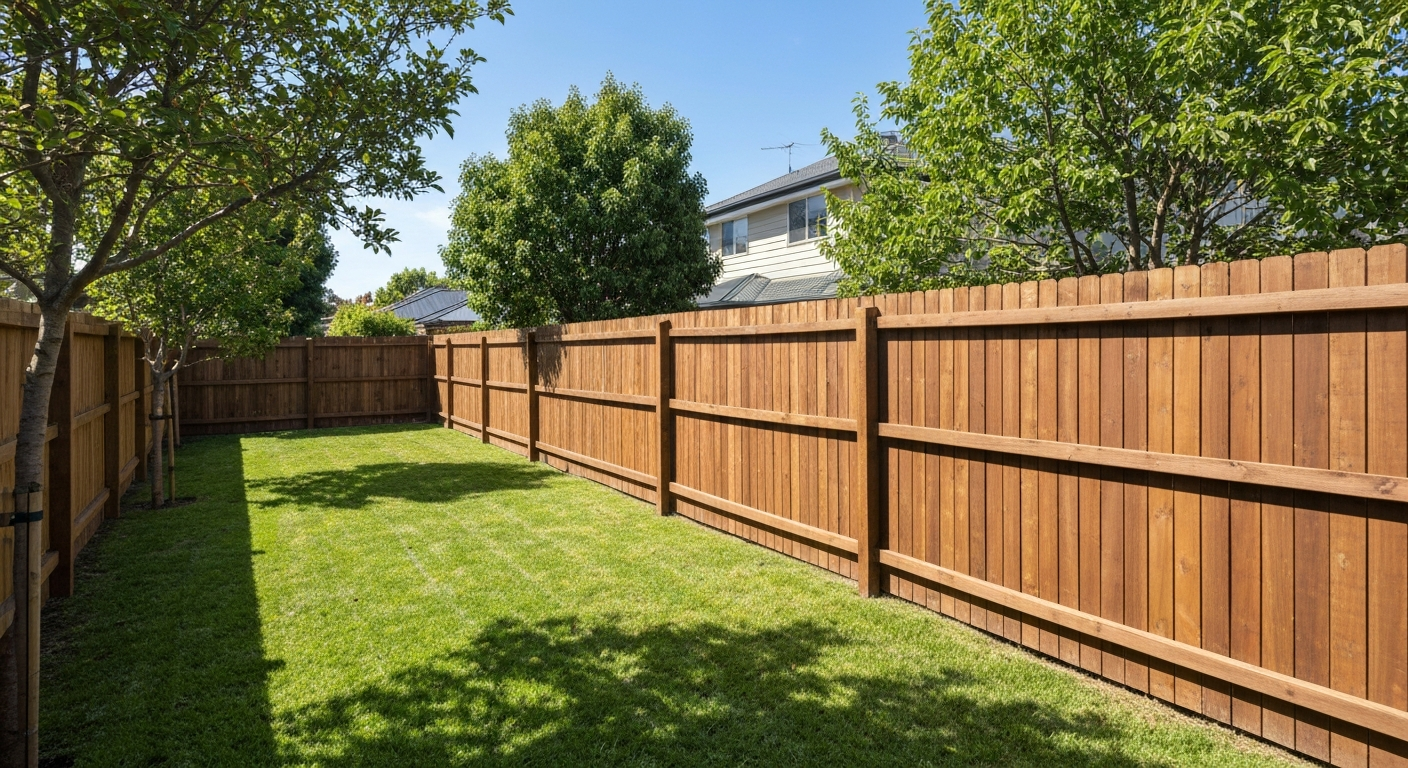
Eco-Friendly Fencing Materials Options
A fence has a way of transforming the mood of a backyard. It frames the chaos, relaxes the eye, and silently informs everyone where your home starts. The method is that fencings additionally soak up sources. They require to take on rainfall, sun, dirt chemistry, bugs, and the day-to-day misuse of wind and area life. If you're picking a fencing with the earth in mind, you're actually choosing a long video game: lower effect materials, smarter building, and upkeep that maintains you from rebuilding as well soon.
I have actually invested enough weekend breaks with measuring tape and a stiff beverage later to recognize one point for certain. The "most green" product is not constantly the one that sounds greenest theoretically. It's the one that lasts, weathers well in your environment, and does not compel you into continuous repair services. In other words, eco-friendliness is partially chemistry, partly engineering, and partly the boring choices, like picking the ideal message system and planning for drainage.
Below are the materials I 'd in fact think about when I'm speaking with a fence company regarding sustainability, along with the compromises you'll want to evaluate prior to you commit.
Start with the actual impact: sturdiness beats novelty
Before you fall for a material, ask the toughness concern. If a fencing lasts 15 years as opposed to 7, the environmental savings frequently exceed the "environment-friendly" buzzword of a more recent product. Much shorter lifespans produce repeat demand for articles, concrete, bolts, delivery, and labor.
Durability is affected by things individuals overlook: message depth, bottom clearance to reduce rot, fence panel layout that loses water, and just how the fence beings in dirt that's either completely dry and secure or damp and aggressive. The exact same material can execute wildly differently relying on those information. I've enjoyed a "costs" fencing stop working early because the installer treated it like indoor carpentry, not exterior infrastructure.
If you desire an eco-leaning construct, your ideal beginning point is to straighten your products with your site. Just how wet is your lawn? Do you get freeze-thaw winters? Are you near salt air? What's your sunlight direct exposure like? Respond to those, and the material shortlist gets sharper fast.
Reclaimed and sensibly sourced timber: the warmest choice with real-world conditions
Wood is the original eco fencing product, but "timber" can mean anything. There's a huge distinction between properly collected lumber and scrap that's covered in unknown treatments. When timber is both locally sourced and well installed, it can be a standout choice.
Look for alternatives that reduce stress on woodlands and stay clear of aggressive chemicals. Some redeemed timber has an appealing story and frequently looks amazing, but you still require to think about bolts and structural integrity. Weathered boards can be secure, or they can collapse if they were revealed to moisture cycles for years. That's where experience issues, because a fast look isn't enough.
In my own lawn projects, I've learned to pay unique interest to the blog post system. Many timber fences stop working at the articles, not the boards. If the posts are improperly secured from dirt contact or concrete is the wrong selection for your conditions, rot can race via the structure.
Eco-friendly timber impulses that usually hold up:
- Choose species and grades that fit your climate.
- Avoid treating every little thing with sturdy chemicals unless you truly need them.
- Use hardware and details that keep water from remaining versus wood.
- Plan for maintenance. Also the very best timber surface is not "establish it and forget it."
There's likewise a useful aesthetic advantage. A timber fencing can appear like it belongs, not like it was dropped right into your yard by a device. That matters, because if it looks right, individuals typically maintain it preserved as opposed to allowing it degrade right into a substitute project.
Bamboo: rapid growth, yet installation is the long lever
Bamboo is preferred for eco conversations since it grows promptly. That part is genuine. Where it obtains complicated is exactly how bamboo items are processed and how they perform outdoors.
Most outdoor "bamboo secure fencing" you'll discover is made from compressed bamboo strips, sometimes secured and sometimes covered. The environmental story depends on adhesive chemistry, finishing, and whether the item is meant for exterior exposure. I've seen bamboo look fantastic for a period and after that begin to discolor, split, or delaminate in harsher sun and wetness cycles.
If you remain in a relatively moderate area with good drain and you treat it like a material that still needs periodic focus, bamboo can work. However if you have heavy freeze-thaw or continuous wet dirt, bamboo might not be your best choice unless you're willing to accept a shorter lifespan.
A clever compromise is to utilize bamboo components where problems are gentler, like evaluating sections instead of complete boundary fencing, or where you can get reliable protection and air movement.
Recycled plastic lumber and composite panels: low maintenance, mixed footprint
Recycled plastic lumber and composite fence systems have a solid selling factor: they resist rot and splintering. That alone can be green, since it minimizes substitutes. People additionally like them due to the fact that they tend to need much less upkeep than bare timber, no sanding, no regular staining.
But the sustainability math isn't discriminatory. These items are normally made from plastics plus fillers and binders. Plastics are not naturally benign, also when they're reused. The "greener" insurance claim relies on just how much of the input is genuinely reclaimed and how much time the fencing lasts in your conditions.
Also, compounds act in different ways in warm. Boards can expand and agreement, which implies the equipment and installation spacing issue. If a fence company sets up composites with sloppy resistances, you can obtain bending, voids, or surface area issues.
There's one more sensible point: numerous composite systems still take advantage of excellent design. You want articles set up directly, appropriate air flow at the base location, and a prepare for how debris and water will certainly rest against panels. Eco isn't just about material type, it's about whether you construct in a way that keeps it from stopping working early.
If you go composite, ask your provider what elements are recycled, what the product is ranked for in exterior direct exposure, and what upkeep is really expected after the initial few years. You're not trying to create a "no work at all" dream. You're trying to prevent surprises.
Metal fences with recycled material: resilient and typically simple to refurbish
Metal is among one of the most sturdy fencing categories, and sturdiness is a silent sustainability win. Wrought iron lookalikes, steel, and light weight aluminum can hold up for years with the appropriate coating and routine care.
Metal's eco advantage typically comes from life span and repairability. A damaged area can sometimes be changed without ripping out the whole fencing line. If you're planning a building where you might reconfigure designs gradually, steel can be practical.
The catch is finishings and corrosion. In coastal or high-humidity areas, also metal demands focus. Protective finishes can weaken, and as soon as corrosion or rust holds, the material may require even more work than you anticipated. That does not mean "stay clear of metal," it implies select the best grade and coating for your conditions.
When a fence company approximates a steel fencing, it's worth inquiring about:
- the layer kind and thickness
- expected upkeep intervals
- whether the layout permits water to drain pipes instead of merging at joints
Aluminum commonly will not rust like steel, however it can still oxidize and damage. Steel can supply strength and longevity if the finish system is strong. In both instances, the real eco worth originates from standing up to replacement cycles.
Stone and stonework: low-tech long life with high weight reality
Stone walls and masonry fences are not something you develop casually, which becomes part of the sustainability story. They're usually hefty, which influences delivery and setup exhausts. But once built correctly, they can last a long time and need virtually no replacement.
If you're taking into consideration stonework, pay attention to the foundation and water administration. Water is a sly bad guy in rock job. Poor water drainage behind a wall surface can lead to motion, splitting, and ultimate restore work. If you have actually ever before seen a keeping wall surface that looks penalty till one springtime thaw modifications everything, you already comprehend the stakes.
Eco-friendly thinking here means design first: proper drain layers, weep paths, and geotextile where suitable. The "product" is just half the story.
Stone and block alternatives can also be a superb suit for properties with existing stonework attributes. Matching the landscape minimizes the sense of "importing something foreign," and that typically correlates with far better integration and less rebuilds.
Living fencings and hedges: biodiversity gains, with patience
Living fences, like thick hedge rows or little trees educated and trimmed into walls, can be among the most eco-friendly choices since you're not simply blocking a view, you're producing environment. Birds nest. Insects move with. Origins support dirt and lower erosion.
But living fences are also a relationship. They expand. They require watering throughout establishment, and trimming is non-negotiable if you want a tidy boundary. If you're trying to find an instant fence line with crisp sides, living options will certainly frustrate you at first.
The sustainability win comes from staying clear of a manufactured fencing completely, yet you need to represent maintenance time, watering, and plant wellness. If you're in an area where water is scarce, you'll desire indigenous or drought-tolerant types and a strategy that does not turn your border into a constant watering project.
Hemp and all-natural fiber panels: appealing, however checked out the fine print
You may see hemp-based or natural fiber composite panels marketed as environment-friendly alternatives. The concept is appealing: sustainable plant fibers can lower reliance on wood and pure plastics.
In practice, the performance depends upon the binder, the panel density, and the finishing system. Outside exposure is ruthless. UV breaks down surfaces. Dampness drives swelling and degradation. If the item's safety layer is great, it can function. If it's thin or not meant for complete weather condition exposure, it will mature poorly.
I treat these materials like a "use with self-confidence only when verified locally." If you can not discover examples in similar weather and dirt conditions, I prefer to wait, or choose a hybrid strategy where an extra durable structure handles structure and the all-natural panels handle screening.
The ignored eco layer: messages, concrete, and hardware
When individuals talk eco-friendly fencings, they often consume over boards and forget blog posts and fasteners. But messages are the durability joint. Concrete can be high-impact depending on mix layout and neighborhood sourcing, but it's also strong and can improve security. There are methods to lower concrete use, like changing message spacing, using crafted article bases, or choosing article systems designed for much less material overall.
Hardware issues as well. Galvanized or stainless bolts can last much longer than less expensive options, minimizing the opportunity of corrosion discoloration, structural looseness, and early substitute. Long-life hardware is an eco choice similarly that a well-crafted joint is a home decision.
Here's a valuable way of thinking I discovered the hard way: green does not indicate "no products." It indicates picking products that remain in place and do their job, with information that protect against rot, corrosion, and warping.
A fast comparison that helps you decide
If you're trying to select quickly, use this as a directional guide as opposed to a stringent position. Your site problems still make a decision the last winner.
- Reclaimed or responsibly sourced timber: Terrific visual appeals and repair possible, commonly the best match for moderate climates with excellent drainage. Stops working at messages if details are sloppy.
- Bamboo panels: Eye-catching and fast-growing beginnings, however outdoor durability depends greatly on product high quality and installment details.
- Composite from recycled plastics: Reduced rot danger and reduced upkeep, however heat motion and long-lasting surface area performance rely on the specific system.
- Metal with proper finish: Lengthy service life and possible section repairs, deterioration resistance and finish quality are the make-or-break factors.
- Stone/ stonework: Exceptionally long lifespan with high installation effort, the sustainability win comes from appropriate drain and foundation design.
- Living fencings: Optimum biodiversity potential, however requires establishment care and continuous trimming.
That's the large picture. Currently allow's talk about what to ask a fence company prior to you sign anything.
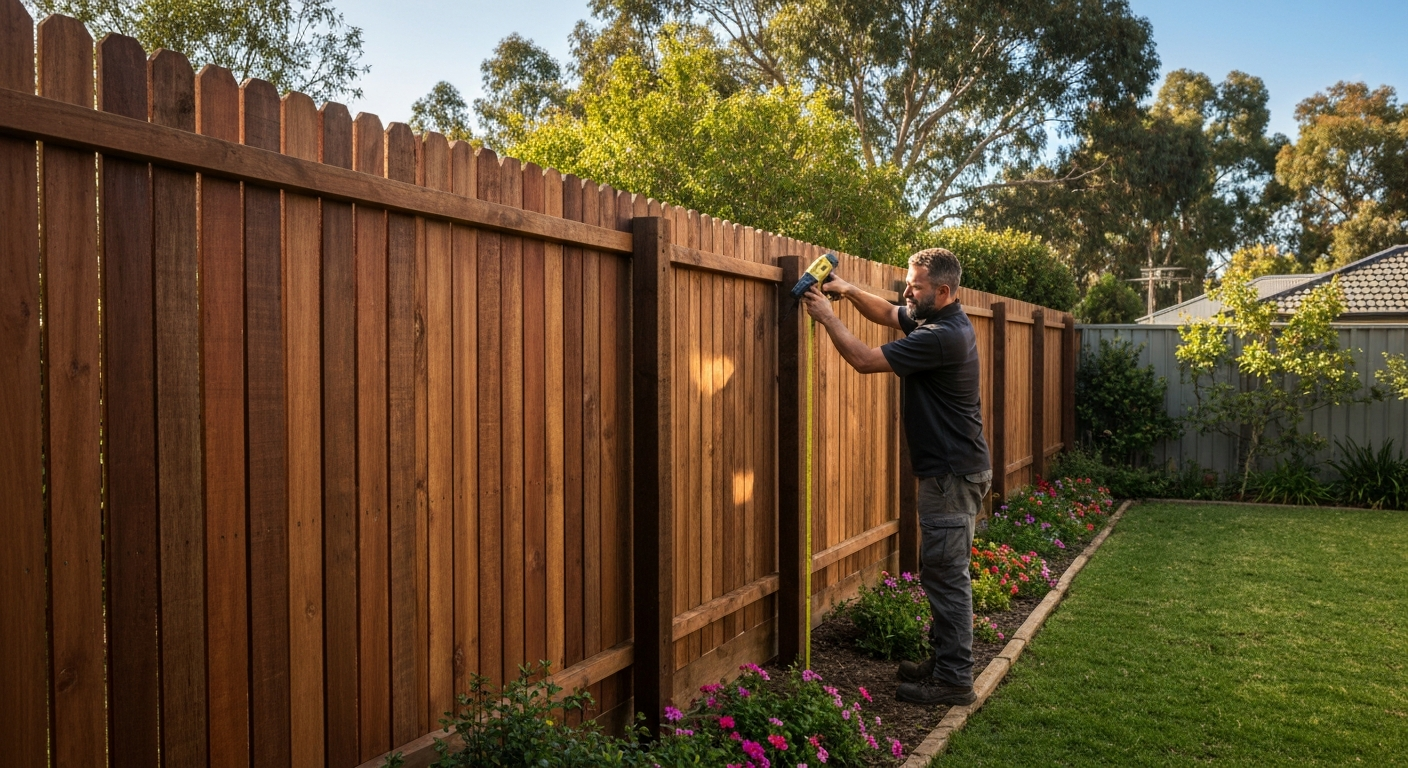
Questions to ask your fence company (so you don't pay two times)
An excellent fence company can steer you towards environment-friendly choices based on your climate and dirt. A sub-par one will certainly fail to whatever is easiest to set up, and that commonly leads to premature failure.
Here's the kind of conversation I try to find. It's not concerning excellent advertising and marketing language, it has to do with functional decisions you can verify.
A brief set of "reveal me" questions
- What post system will certainly you make use of, and what deepness is recommended for my dirt type?
- How do you take care of water administration at the base of the fencing line?
- What finishes or therapies do you advise, and wherefore lifespan?
- Are you making use of products with recorded recycled web content or validated sourcing?
- Can you offer instances from comparable homes in my environment zone?
If a business responds to confidently with specifics, you remain in a far better placement to choose a greener material without gambling.
Installation information that make eco products last longer
You can get the most effective materials on earth, and still end up with a fencing that dies early if the installment details are off. These are the components that have a tendency to separate "looks excellent on day one" from "still looks good after weather condition has actually done its job."
Water is the regular enemy. Messages need security from soil contact and water pooling. Panels need design that drops water instead of capturing it. Sloping ground modifications just how water rests along the base line, so you want a plan for that.
Wind is an additional truth. Taller fences can imitate sails. If the layout lacks supporting or the blog post spacing is as well wide, you can obtain totter that ultimately fractures boards, loosens equipment, and reduces the helpful life of every product type.
Finally, think of landscaping disturbance. Grass pressed against wood can hold dampness and reduce life expectancy. Vines can look lovely till they wedge into joints and create dampness pockets. I have actually seen "natural" plant selections end up being accidental rot accelerators.
Maintenance: eco-friendliness includes how typically you touch it
Maintenance is just one of those subjects people evade. Yet if you desire the smallest footprint, you do not want a fence that requires severe cleaner or continuous repair work. You desire upkeep that's manageable and risk-free for the environment.
The great news is that several eco-leaning products lower upkeep regularity. The problem is that even low-maintenance materials have a baseline demand, like assessments and occasional cleaning.
Here's a simple upkeep rhythm that works throughout several materials.
- Check for loose articles and totter after significant storms.
- Look for early layer wear at joints and lower edges.
- Clear debris that traps wetness near bases.
- Touch up surfaces or finishes as advised, prior to damages spreads.
- Inspect hardware for rust or anxiety, particularly in freeze-thaw cycles.
If you do this a couple of times annually, you catch troubles while they're still tiny, which lowers replacement pressure.
Trade-offs worth planning for
Eco options are hardly ever best. You'll run into concessions, and knowing them early conserves headaches.
Bamboo: elegance versus lifespan
Bamboo's sustainability pitch is partly regarding fast growth, but the panel top quality is what figures out the length of time it remains intact outdoors. If you find on your own paying a costs rate for a product that requires frequent substitute, the eco benefit shrinks.
Composite: low rot versus plastic permanence
Composites resist dampness and rot, which aids longevity. The counterpoint is that you're dealing with plastics that are not eco-friendly. If you choose compounds, you're basically devoting to lengthy life span. If you think you might move or reconfigure the limit quickly, wood or steel may make even more sense.
Wood: all-natural beauty versus cautious upkeep
Wood looks right in virtually any type of landscape, but it requests for interest. Choose a system and coating that fits your maintenance determination. If you hate maintenance, timber can end up being the material that compels replacement.
Metal: long lasting versus corrosion management
Metal can last a long time, however it relies on coating systems and the atmosphere. If you're near salt air, you'll want to budget for far better layer and examinations, so the eco objective remains intact.
Stone: durability versus hefty setup impact
Stone can be very long-lived. The eco compromise is the energy and logistics of heavy materials and the threat that drainage mistakes trigger pricey reconstruction.
"Environmentally friendly" isn't only the fence material
A fencing's ecological tale includes what's around it. Landscape design can reduce maintenance demands. As an example, growing that tones certain fencing sections can reduce UV wear. Grading that boosts drain minimizes wetness exposure. Mulch choices can regulate moisture levels around posts.
There's likewise the human habits side. If the fencing is uncomfortable to maintain or doesn't match how you utilize your lawn, you'll hold off repair services. Postponing fixings is how a small problem becomes a complete replacement.
This is where adventurous thinking assists. Instead of watching an environment-friendly fence as a solitary acquisition, view it like a tiny framework project. You're making for weather condition, for long-lasting use, and for your own willingness to take care of it.
How I would certainly select for 3 typical scenarios
I don't understand your backyard, yet I can tell you the patterns I see when people ask for eco-friendly recommendations.
If your area is humid with great deals of rain, I would certainly lean toward metal with a solid finishing system, composite with quality setup resistances, or timber with a blog post system that avoids dirt contact and water merging. In moist environments, water management is everything.
If your area has freeze-thaw winters months and solid winds, longevity ends up being much more essential. Metal or composite often wins, not due to the fact that they're naturally even more eco, however because they can handle mechanical tension with fewer devastating failings. Timber can still function, but it needs solid framework and appropriate message installation.
If you want biodiversity and you can approve patience, living fencings are difficult to beat. They supply environmental benefits that a manufactured fencing can not duplicate, but you'll need a real upkeep prepare for facility and trimming.
A fence company that pays attention to these scenarios instead of pushing a single line of product will typically get you the most effective outcome, both ecologically and aesthetically.
Final choice list prior to you commit
When you're ready to choose, don't simply ask what product is "environment-friendly." Ask what will keep the fencing doing its task for several years in your exact conditions.
Before you sign, I would certainly want clear solutions on:
- the anticipated lifespan array for your environment and installment quality
- the post system and water administration plan
- the sourcing tale, especially for reclaimed wood or recycled web content composites
- the equipment and covering quality
- what upkeep is actually required and just how often
Eco-friendly fencing is not a label. It's a collection of decisions that accumulate. Pick the product that matches your site, build it with details that avoid very early failure, and maintain it lightly so you never ever need to change it out of impatience.
That's how you wind up with a fence that really feels good to take a look at now, and still seems like a clever choice years later.