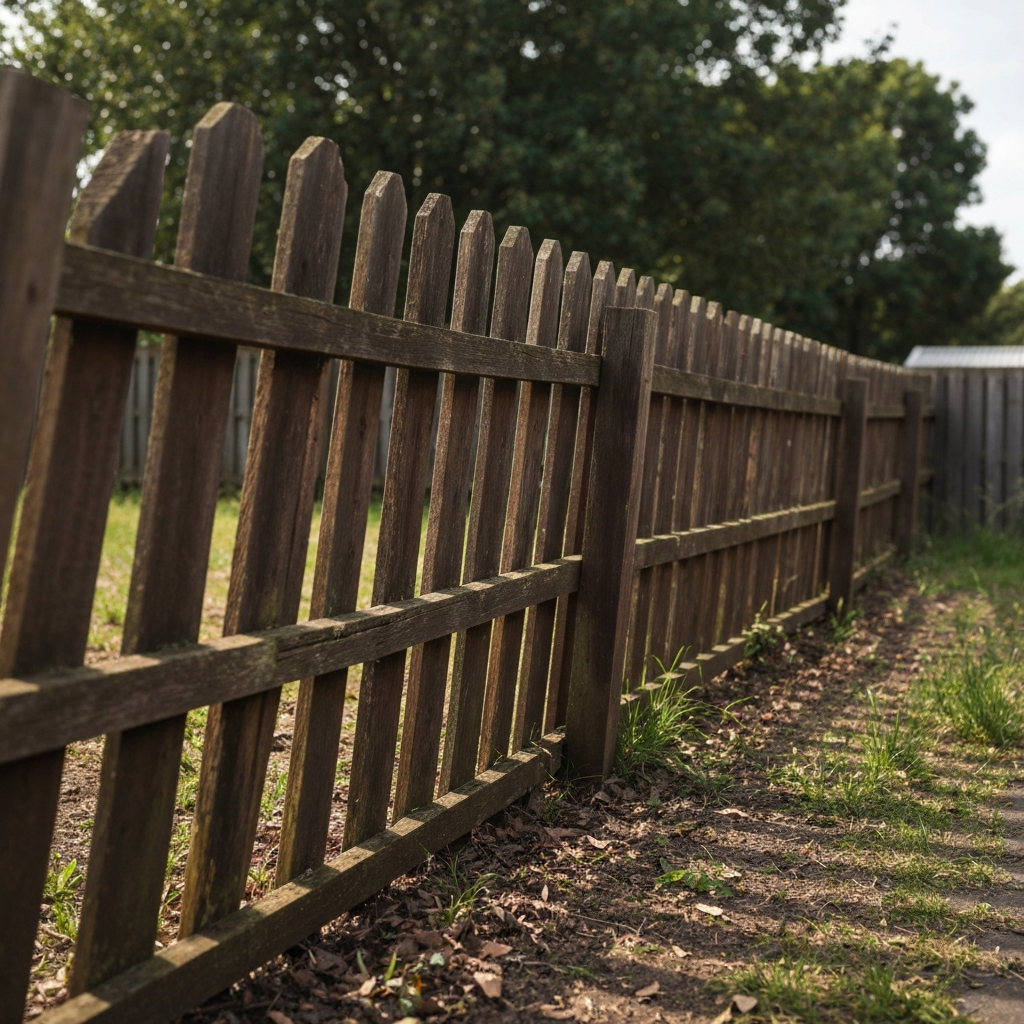
Fence Installer Melbourne: Article Holes, Concrete, and Architectural Strength
A fence looks straightforward from the walkway. A line of blog posts, some rails, a little mesh or lumber, and unexpectedly the limit really feels specified. But on the ground, the actual work is buried a couple of spade-widths down. If the message openings are incorrect, the fence won't fall short in a remarkable method in the beginning. It will certainly lean a little after wintertime, sag after a windy week, after that begin to rattle every single time a truck passes. That's the point where individuals ultimately call a fence installer Melbourne to "fix it," when the actual fix was constantly regarding foundations.
If you have actually ever before enjoyed a great fence installers team job, you can inform they're thinking about architectural strength long prior to they lift the very first panel. Post holes, cement options, and exactly how they establish messages identify whether the fencing stays directly for years or ends up being a repeating upkeep job.
Below is the useful reality of article openings and cement in Melbourne conditions, plus the tiny choices that make fence installations hold up.
Why fencing toughness starts at the article hole
Most fencing failures are not concerning the hardwood boards or the colorbond panels. They're about the support. A blog post opening is primarily a soil pocket wrapped around an architectural participant. When wind loads press the fencing laterally, the message withstands by:
- resisting turning (it can not twist out of the ground)
- resisting pull-out (it can't raise as the soil loosens up)
- resisting bending (it has enough depth and embedment to keep the tons stable)
So if you think of the message opening as "where the fencing lives," the concrete part matters as well. Cement is not a magic glue that makes weak dirt strong. Cement can help secure the message in position when mounted properly, but if the hole is as well superficial, if the spacing is off, or if the message isn't set plumb and braced throughout cure, the fence will still move.
In Melbourne, the dirt can differ block to obstruct. Some areas have much heavier clay, some have sandier layers, and lots of homes remain on disturbed fill. That implies a fence installer Melbourne who shows up with a one-size approach will eventually obtain attacked by a site that behaves in different ways than expected.
Post hole depth in Melbourne, and the judgment calls
Depth isn't simply a number. It's an equilibrium between needed embedment, soil kind, groundwater, and the usefulness of digging. In real installments, I have actually seen fencings last since the installer went deeper in weak ground even if it reduced the job. I've also seen fences stop working since someone struck "adequate" deepness in a section that looked fine during digging yet relaxed when the opening sat overnight.
For property secure fencing, post deepness is typically prepared around maintaining the article listed below the zone where dirt disturbance and movement are most active. In simple terms: you want the post secured in product that doesn't change much season to season.
Typical outcomes you'll see with shallow openings are:
- posts that gradually lean as the soil consolidates around them
- panels that start to rack on top line (the fence looks like a soft hinge now, not a rigid boundary)
- fence darkness shifting after a damp run, since the ground releases slightly, after that re-locks after drying
A fence installers Melbourne staff should fit clarifying why they're going deeper for sure sections, not just estimating a deepness for everything. The good ones check out what appears of the hole, exactly how the sides hold, whether water shows up, and whether the dirt falls apart as you draw the article auger or shovel.
Diameter and spacing: tiny distinctions that add up
Bigger openings can suggest more concrete and more time, so it's tempting to go narrower. But also slim can produce poor compaction around the article. If cement or concrete is doing the bonding and stabilising, it needs a room to flow appropriately and surround the embedded section without voids.
Spacing in between messages is likewise structural. Closer message spacing minimizes rail flexing and reduces the pressure at each message. Larger spacing makes the fence lighter to construct, but it enhances the tons transferred into each blog post. That's where you feel the distinction as flex, rattling, and ultimately sagging.
If you're planning a secure fencing install, it's worth being clear concerning what you're building: an attractive lumber limit is one thing, a high wind direct exposure run encountering a road is one more, and a lengthy straight run requires various thinking than shorter areas around trees or gates.
Cement versus no cement: what adjustments in how messages behave
This is where property owners obtain stuck on the idea that cement is constantly better. Sometimes it is. Sometimes it's a liability if it's utilized poorly.
When concrete helps
Cement or concrete around a message can:
- reduce soil call activity at the embedded section
- lock the post in position while concrete cures
- improve stability where the dirt hangs or disturbed
In Melbourne, cement is typically used for border fences, especially where you desire a strong, fixed base or where articles go through duplicated lateral loads from entrances and longer spans.
When concrete does not take care of the origin problem
If the post opening is shallow, concrete can still fracture or separate slightly from the blog post as the ground actions. If the opening was dug in wet, unpredictable dirt and then left to rest, cement may cure around a mix that later settles unevenly. If the blog post is not braced during remedy, the concrete can lock in an early lean, and that lean comes to be the final alignment.
The structural lesson is easy: concrete can boost anchoring, yet it can not make up for wrong embedment deepness, incorrect placement, or bad hole prep.
The correct way cemented posts are established (what matters beyond putting)
Anyone can mix cement and pour it. Fence installers, the ones you want around your home, deal with establishing blog posts as a regulated process.
A few things are non-negotiable in great method:
- the blog post is plumb prior to the concrete starts to set
- the hole is prepared to eliminate loosened material so concrete can sit firmly
- the mix is positioned and cleared up to minimize spaces, not just unloaded in
- curing time is appreciated so the article doesn't obtain moved before the cement acquires strength
I have actually seen backyard secure fencing where a person "poured rapidly" throughout a lunch break. The fence looked right when the cement was fresh and damp, then moved after it treated. Cement sets in stages, and very early movement can develop a long-term imbalance. When a fencing is out of plumb, every panel and rail is forced to conform, and that develops additional anxiety points.
A fast story from the field
A couple years back, a homeowner told me their fencing was "fine when installed." The posts were cemented, so they assumed the task was solid. When we inspected the base, the concrete had actually been put, however the articles had actually been nudged throughout bracing modification later on the exact same day. You can see it in the means rails drew right into placement, and the fence had actually developed a spin along the run. It wasn't a significant collapse, just the slow-moving, steady effect of a structure that secured the wrong geometry.
That's why architectural toughness is as much concerning procedure as it has to do with materials.
Handling water, wet dirt, and unsteady ground
Melbourne rainfall can transform an excavation right into a pool swiftly. If water is sitting in all-time low of the post opening, you have two troubles:
Good fence installer Melbourne groups normally plan for this. They don't rely on heroics like "put faster" or "it'll be great once it dries." Rather, they analyze what's taking place. If water is relentless, they may readjust how they establish the base, just how they blend, or exactly how they make certain the hole conditions remain appropriate.
In unstable ground, the article could require a slightly various technique. Often you can enhance the base with careful backfill and correct compaction of the surrounding product. In some cases you need a more durable anchoring approach. The point is to reply to the real soil, not the plan drawn on paper.
Timber, steel, and concrete articles: different stress and anxiety, different expectations
Different blog post materials act in different ways in the ground and under wind loading.
- Timber messages can be solid, yet they depend on proper treatment and a steady embedment area. Rot danger boosts if water is caught at the base or if the post sits in problems that remain damp.
- Metal messages stand up to degeneration, yet they can experience corrosion at joints and revealed sides, particularly if concrete get in touch with catches dampness against surfaces not designed for it.
- Concrete blog posts offer tightness, but they still need a strong foundation to prevent cracking because of dirt movement.
If you're working with fence installers or a fencing installer, ask just how they intend to protect the article material in contact with concrete and dampness. An expert will be able to clarify the sensible details, not simply the basic principle.
Rails, panels, and just how post toughness is "reviewed" at the fence line
Even though the article opening is the structure, you can diagnose problems by how the fence looks over ground.
Look for:
- top rails that aren't straight across numerous spans
- gaps that open up unevenly after a wet season
- hinges on gateways that misalign, even if the gate itself is "new"
- panels that bend more than anticipated when you press by hand
Those signs and symptoms point pull back to the blog post embedment and the method the messages were taken care of. The fencing line acts like a lever. If a blog post is relocating a little, the effect shows swiftly once rails start to take load.
A structural fence install is one that feels rigid even when you lean on it with some pressure. It won't feel like a trampoline, and it won't squeak with every gust.
A useful list before any type of concrete is poured
You can't stand in the hole with a spade permanently, yet you can absolutely ask the ideal inquiries and see what issues. Below's a short collection of checks that maintain work truthful and consistent:
If a fence installer Melbourne group can walk you through these points calmly, you're currently ahead. If the discussion is vague or hurried, that's generally the start of the "why is my fencing leaning?" story later.
Common post-hole and concrete errors that lead to fence failure
You don't require to become a concreting specialist to identify patterns. I've learned that most errors come under a tiny set of duplicating issues, also throughout various specialists and materials.
Pouring without proper setting control
If the article is moved while the cement is healing, the fencing can secure inaccurate alignment. Even a little lean near the bottom translates into a noticeable change on top of a taller fence.
Skipping compaction and developing voids
Void space around the blog post transforms the concrete right into a partial assistance as opposed to a complete anchoring zone. Spaces also allow water gather and can add to freeze-like growth cycles in particular climates, though Melbourne's main motorist is typically wet-dry movement and dirt consolidation as opposed to freezing.
Using concrete like an alternative to depth
Cement does not change correct embedment. If the soil is energetic and relocations, the post needs to being in steady ground. A cement collar can aid, however it doesn't stop lateral soil activity from progressively working the blog post unless the embedment is created for it.
Ignoring site constraints
On obstructs where trenches, solutions, or tree origins are present, fence installer judgments matter. An installer that compels messages into poor positions can produce weak anchor points. The best fix may be a moved design or a different anchoring method.
Structural toughness at entrances: where failures appear first
If there's one area where fences expose their weaknesses, it's around entrances. Gates concentrate load. When a gateway swings or obtains pressed during wind occasions, it uses a lateral force and a turning minute at its joints and latch side.
Gate messages usually require more powerful anchoring and more attention throughout setup. If the message opening is superficial or the concrete base is endangered, gates can start to sag and swing unevenly. In some cases people believe the hinges need adjusting, however the actual concern is the article relocating at the foundation.
When you employ fence installers or a fencing installer, make sure they describe just how they take care of gateway places. Structural toughness means preparing for greater tons, not dealing with gate blog posts like every various other post.
What to do if your existing fencing blog posts are already cemented
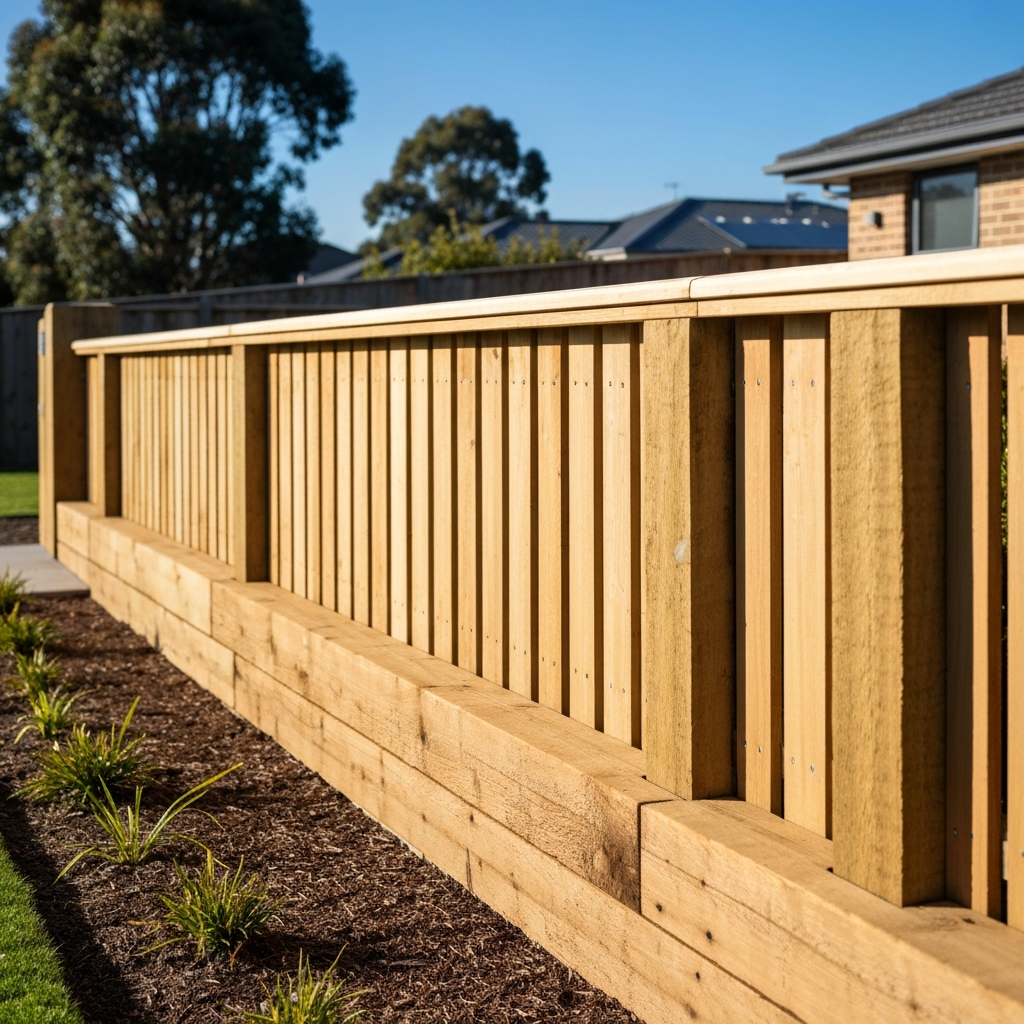
If you're managing an older fencing that's leaning, the lure is to "add concrete" around the base. In some cases a fixing can work, but usually the underlying dirt activity is recurring. Concrete poured onto an already endangered base may not resolve the issue, and it can make future repairs messier.
In Melbourne, you'll see a couple of scenarios:
- The article hangs since the initial opening was too superficial or backfilled loosely.
- The post is established, yet the soil around it has actually cleared up unevenly.
- The blog post is still strong, yet the rails or panels have actually loosened, allowing activity that makes the fence keep an eye out of line.
A professional fence installer will assess whether the movement is architectural at the post, geometric across the run, or hardware-related. Dealing with the incorrect layer can squander money and still leave you with a fencing that continues to drift.
Here's a brief troubleshooting technique service providers use on website:
How wind and fencing style impact blog post foundations
A fencing isn't just "there." Wind makes it function. Melbourne can have solid gust days, and long straight fences act like sails. The architectural load on messages relies on:
- fence elevation and panel type
- how a lot the panels block wind
- whether the fencing is in a revealed position
- the existence of close-by frameworks and plants that alter airflow
For example, solid panels produce more pressure than open mesh. That doesn't indicate one type is constantly "worse," it indicates the anchoring method must match the loading.
A fencing installer Melbourne ought to make up layout tons rather than thinking every fencing is the same. If a person deals with a tall, solid boundary along a highway similarly as a reduced side fence tucked behind bushes, you're gambling with the post hole design.
Getting concrete right: mix, placement, and curing time
People commonly ask, "What cement should I make use of?" The straightforward answer is that the ideal mix depends on the job problems and the product needs. I won't claim there's one generally excellent mix for every single fencing base because site problems vary.
What you can judge, also without understanding the chemistry, is whether the service provider is positive concerning placement and curing.
Good practice resembles:
- consistent material handling, not questionable re-mixing mid job
- no frenzied pressing of articles after the cement begins to set
- careful attention to seeing to it cement get in touches with the post and fills the room around it
Curing is where persistence pays off. If a fence installer tries to drive on instantly after putting, you may not see the damage until weeks later on. Concrete needs time to obtain strength, and the article setting needs time to clear up without disturbance.
Fence installer experience: the distinction between "set up" and "built to last"
There's a phase in between digging and standing back to appreciate the finished line. It's the stage where excellent fence installers gain their fee.
It's in the quiet check of plumb, the decision to add depth in a weak area, the way the installer braces and does not hurry panels to hide a leaning blog post. It's also in interaction. The best experts discuss choices in simple language, like why a certain area needs even more interest, or what they discovered in the soil when they dug that particular hole.
When you listen to fence installer Melbourne or fencing installer phrases sprayed online, don't simply focus on the solution name. Concentrate on what the company does on website. The architectural stamina is integrated in those choices, out a quote form.
Practical inquiries to ask your fence installer Melbourne
If you want to maintain the task grounded and avoid shocks, ask questions that force specifics.
What depth are you using for each and every blog post kind, and will it transform based upon dirt? Exactly how are you supporting the articles, and how much time do you wait prior to getting rid of dental braces and installing rails? Are you using cement for every single article or only for certain ones like entrances? What do you do if water appears in the red? These questions might seem basic, but they subject whether the installer is believing structurally or simply moving through the motions.
Fence installations fail when edges obtain cut in methods people can not conveniently see till the fencing has currently been under load.
Final thoughts on concrete post holes and lasting fence stability
If you're spending for a fencing installer, you're paying for more than products and work. You're paying for appropriate anchoring, correct placement, and the discipline to establish messages properly in Melbourne soil conditions.
The foundation is whatever. Message openings figure out the anchor. Cement affects exactly how the support behaves and exactly how steady it remains while the ground settles and periods cycle. Rails and panels are the aesthetic structure, but posts and their embedment are what maintain the fencing right when wind, rainfall, and time do their work.
If you're comparing fence installer alternatives, don't simply contrast price per meter. Compare how they discuss holes, how they respond to site problems, and whether they deal with entrances and exposed runs as unique architectural areas. That's where you discover the service providers that construct fencings that hold their line instead of coming to be a repeating fixing story.