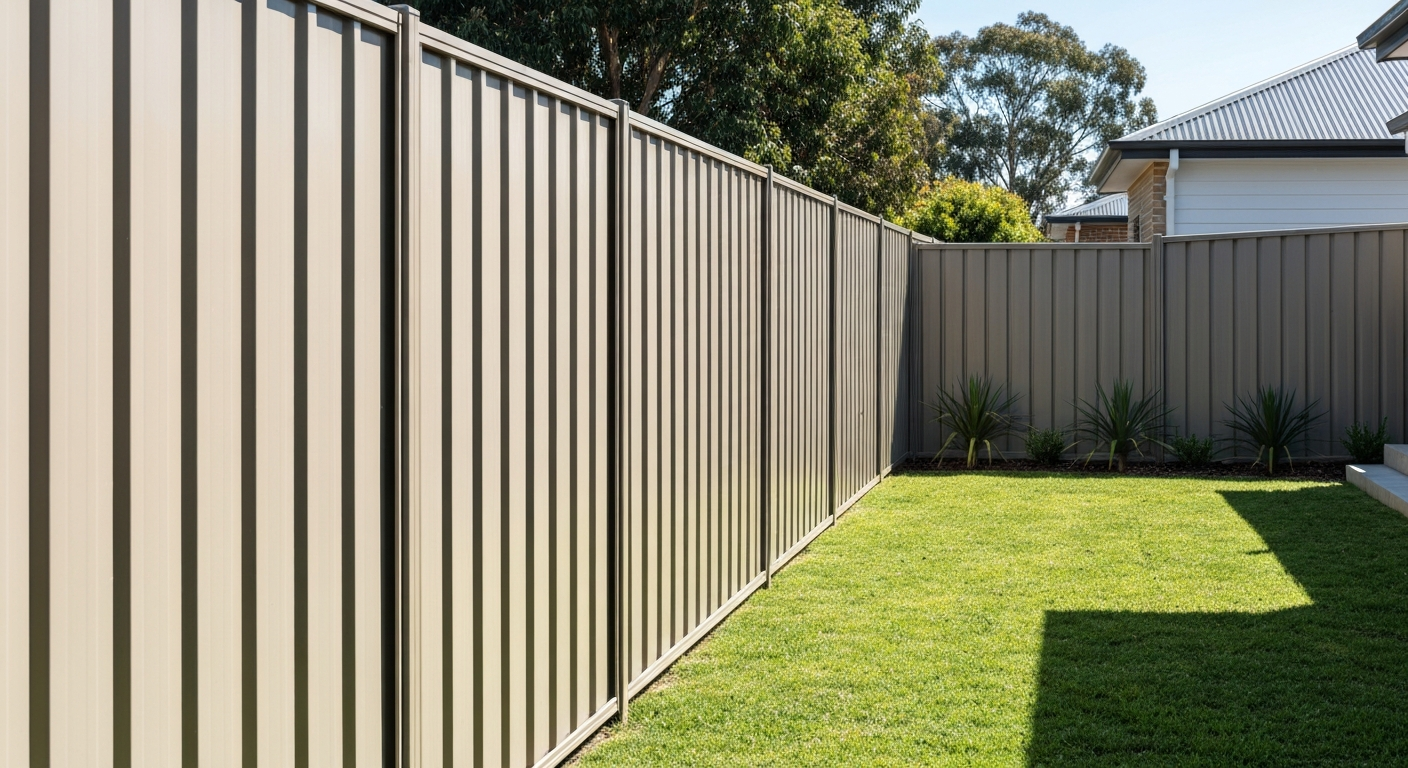
How Weather Impacts Fencing Setup High Quality
Fence setup looks straightforward when you're enjoying it from the path. A few articles, some rails, panels that secure right into place, and instantly the boundary looks finished. Then the weather condition reveals up.
Wind, rainfall, warm, moisture, frost, and even the way the sunlight cooks a surface can quietly determine whether a fence really feels solid in a year or starts to sag, spin, or fall short at the bolts. In my experience functioning alongside Fence contractors and Fence company groups, the difference in between a fencing that holds its line and one that needs focus is often not the materials. It's the timing, the site preparation, and the installer's judgement in actual weather.
This is a useful guide to exactly how weather condition influences fencing setup top quality, what it suggests for Fence installer selections, and the clever actions Fencing contractors Melbourne staffs take when conditions change.
Why climate affects fences greater than lots of people expect
A fence is not simply an obstacle. It's an engineered system of loads, motion, and attachment points. Posts take bending. Rails take tension and compression. Panels imitate sails in wind. Concrete and dirt provide the rigidity at the base. Lumber and steel broaden and contract with temperature level and wetness. Even the "straightforward" part, like aligning blog posts, is delicate to ground conditions.
When weather condition shifts throughout setup, three points tend to take place:
First, the foundation can change faster than the installer can react. Wet soil compacts in different ways, and dry dirt can be as well loosened to hold limited blog post alignment. Second, products behave in different ways as they splash, warm, or freeze. Third, teams blow up of timing. If the timetable slips due to rainfall or high winds, the fence can be finished in conditions that make later movement a lot more likely.
I have actually seen fences mounted in superb product bundles go wrong because the work occurred in the wrong home window. Not dramatically wrong like "panels dropping overnight," but gradually incorrect. That progressive drift is normally how weather shows up.
Rain: the silent top quality awesome for foundations and bases
Rain is often treated as a nuisance, something teams can "press via" with added treatment. In some cases that's true for surface area work, but structures are the part that obtains one of the most sensitive.
Wet soil changes exactly how messages behave
When the ground is filled, message holes can come to be unsteady, specifically in clay or combined soils that slump when disturbed. The concrete may be put right into a hole that later on collapses somewhat. Also a small adjustment at the base can result in visible leaning, particularly with high paling fencings or gates.
In sensible terms, if a hole is rinsed or partly filled up with waterlogged dirt, the post winds up in a foundation that is much less uniform. Uniformity matters. It's not regarding "stamina" alone, it's about uniformity around the post.
Concrete curing depends on temperature and moisture
Rain impacts concrete treating by transforming the water material at the surface area and by keeping the foundation also damp for as well long. Cement collections with chemical reactions, and those responses still need suitable conditions to get to the toughness you expect.
If it's raining continuously, installers may wind up including cover too early or leaving surface areas subjected in such a way that deteriorates the completed face. On the various other hand, putting into hefty rainfall without appropriate set-up is also a problem because you can get a watery mix beside the post surround.
Good Fencing installers manage this by monitoring problems and protecting the put. They'll likewise speak with you truthfully when the climate is likely to delay treatment time.
Slippery ground and alignment errors
Rain is likewise an alignment problem. Blog posts and rails require clean dimension and secure ground. When the ground is glossy, tiny bad moves can equate right into uneven blog post lines. A fencing might look directly on the day, but if posts were set a little off, panels will certainly draw against that offset later.
If you have actually ever watched a staff using a laser degree or string line, you'll notice exactly how frequently they quit, check, and adjust. In rain, that careful rhythm is tougher to maintain, so quality relies on staff experience and pacing.
Wind: not almost safety and security, it's about the physics of installation
Wind is where fencings can get actually tricky. People commonly think wind just matters during panel repairing. Actually, wind influences blog post security while the holes are open, while rails are being connected, and after the work is partly complete.
Partial fencings come to be huge wind loads
A fencing incomplete is like a frame with missing out on tightness. Panels aren't yet locked right into the full system, so the fencing can act like a sail. When a crew is connecting rails to freestanding messages, wind can press the structure and force activity prior to the links set.
If wind is strong sufficient, also momentarily, it can turn posts by a percentage. That twist may be refined initially, however it becomes apparent once the panels are completely dealt with and the system is packed in several directions.
Fasteners and rail straightness
In gusty conditions, it's harder to maintain rails lined up and fully seated. A rail that is slightly off can trigger gaps or unequal spacing. Those voids are in some cases criticized on "panel variant," yet the reality is often in the straightness of the line at the time of fixing.
Wind additionally makes it more challenging to deal with long materials safely. Crews might change their configuration to minimize risk, and those adjustments can alter just how accurately the rail is held while fastening.
The sensible reasoning point
A great Fence company doesn't chase after "adequate" results in high wind. Rather, they adjust the timetable or sequence. They could establish articles, let them secure, and return for panel installation when conditions are calmer.
That choice is part of high quality. A fence contractor's job is not only to set up. It's to set up in a way that expects movement.
Heat and sunlight: materials broaden, function slows down, and surfaces can misbehave
Heat has a dual effect. It changes how products act, and it changes how long it takes for work to be done properly.
Timber and covered metals react to temperature level and drying
With wood, severe warmth accelerates drying out. That can impact any kind of pre-treatment or adhesives made use of. With steel parts, heat can transform the method coatings treatment and exactly how surfaces bond if you're using specific fixings.
Metal can likewise broaden, and after that agreement as the day cools down. If rails are dealt with at height temperature and the system loosens up later, it can create tension on bolts. Over time, that stress and anxiety can contribute to loosening up or misalignment.
For powder-coated or galvanised parts, the covering resilience is typically great when mounted appropriately. The danger is much less concerning the covering "melting" and more regarding handiwork under thermal anxiety: distorted rails, hurried placements, and fixings driven in a way that later allows movement.
Concrete placement in warm weather
Concrete in hot problems can establish faster at the surface. That means installers have much less time to control placement. If the job is rushed since the team is trying to finish before the day finishes, you can end up with structure locations that do not settle effectively or with small post movement before the concrete locks in.
In scorching weather, high quality becomes about pacing. The most effective teams decrease sufficient to maintain dimension tight and to enable correct finishing and curing.
Worker tiredness appears in the fencing line
Heat impacts individuals. Exhaustion adjustments pose, hold, and decision-making. I have actually seen it: when a team is weary, they inspect positioning less commonly, and that's where crooked lines begin. Weather does not simply alter products. It changes the installer's performance.
Humidity and recurring moisture: the corrosion and rot timeline
Humidity is not always significant like rainfall or wind, but it matters due to the fact that wetness sticks around in humid problems and in shaded areas.
Metal corrosion at fixings
Fence installations rely upon a lot of little user interfaces: screw heads, brackets, rail links, and joins where layer sides can be at risk. In humid settings, wetness can rest versus those interfaces. If galvanised or covered components are reduced, drilled, or otherwise breached without ample deterioration defense, you can establish a long-term problem.
This is one factor numerous fencing contractors Melbourne teams respect exactly how parts are handled and where they drill openings. It's additionally why installers who do top quality job typically take extra care with touch-ups and appropriate mendings as opposed to utilizing whatever is at hand.
Timber rot threat in shaded, wet spots
Timber fences are specifically delicate in areas where water accumulates, where plants holds wetness, or where the ground stays wet after rainfall. If posts are not installed with good clearance and drain considerations, you can get faster decay near the base.
The blog post base style and dirt contact matter. A small renovation in just how the article sits and exactly how water moves away can add years to life span. Weather condition defines the dampness pattern, however installment defines exactly how wood experiences it.
Frost and freeze-thaw: when the ground comes to be the contractor
Frost is a side case in some areas, however in colder seasons it can be the distinction in between a fence that stays real and one that shifts.
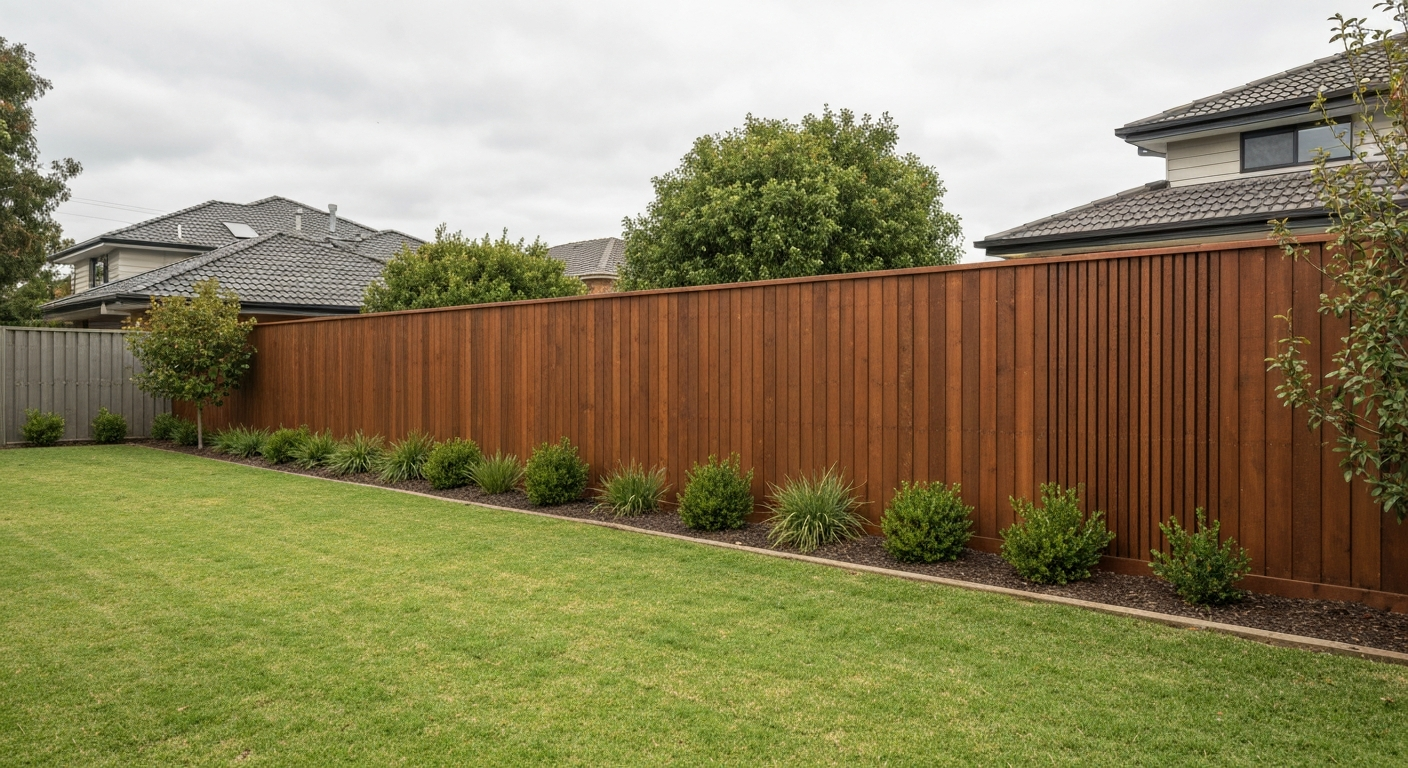
Freeze-thaw cycles interrupt foundations
When water in soil freezes, it broadens and can lift disturbed ground. If a fencing is installed just before a frost period, the blog post can experience motion as the ground increases and contracts.
If the setup process leaves pockets of water around articles or inside the hole, freeze-thaw impacts can be intensified. Even in relatively secure ground, timing matters. In my experience, fencings set up with good structure deepness and proper concrete placement are much less most likely to change than hurried installs.
Moisture trapped at the base
With wood and metal messages, wetness caught near the base can lead to various tensions throughout freezing. It could not "snap" anything promptly, however it can loosen up dealings with or advertise motion at the ground interface over time.
The installer's feedback matters here. A solid Fence contractor will plan around the season rather than deal with frost days like any type of other.
Storms and sudden changes: the work that gets completed "since the rain quit"
One of the most typical top quality compromises occurs when the weather breaks briefly. A shower gets rid of, the sunlight comes out, and every person is eager to maintain energy. In some cases that's fine. Often it is exactly how you get a fencing that looks fine on day one and behaves badly later.
The threat isn't just the noticeable moisture. It's what's beneath. Soil can look alright at the surface while still being soft and saturated below. Concrete could be put onto a sub-base that is not secure. A crew could establish alignment quickly since the ground appears firm, after that later on, after even more rain, the base shifts.
Weather can be deceitful. The right concern is not "Is it raining now?" It's "Exactly how wet is the soil, and exactly how steady will it be when the following climate event hits?"
How pros take care of weather condition without overcomplicating the job
Good Fence company job is not around waiting for best conditions for life. It's about selecting reasonable windows and utilizing techniques that minimize level of sensitivity to weather swings.
You can usually spot expert quality in the method a Fence installer speak about preparation:
They inquire about drainage, slope, and neighboring plants. They check out dirt type. They inspect if there's a background of flooding in the area. They talk about the treating time for concrete and the time needed before heavy wind tons the structure.
Even without hearing all the details, you can see the outcomes in mindful message positioning, regular spacing, and solid entrance operation. Gates are particularly disclosing due to the fact that they need true geometry. Weather condition can quickly screw up entrance structures if foundations or rails relocate while the system is being set.
A sensible take a look at "climate windows"
On most tasks, the group's decisions come down to timing, series, and security. For example, you can frequently proceed with marking and excavation when rainfall is light and short-term, yet prevent putting concrete when rainstorms loom. In a similar way, you could set up posts on a light day and come back on a calmer duration for panel add-on if wind is forecast to be high.
This isn't paranoia. It's risk management.
What you can ask a fence contractor on a borderline weather day
If you're employing Fence contractors, you do not need to end up being a meteorologist. You do require to ask the best questions so the task isn't "weather condition hurried." Here are some useful motivates that highlight whether the Fence contractor is preparing or improvising.
- What's your recommended timeline offered today's rain projection and the following 48 hours?
- How do you safeguard concrete pours from rinsing and surface weakness in damp weather?
- What's your approach when wind is solid throughout panel or rail installation?
- Do you readjust deepness or post-set strategy if soil is saturated or very soft?
- How long ought to the concrete treatment prior to rails and panels are completely fixed?
A Fence company Melbourne team that gives positive, certain responses is usually experienced with these real weather conditions. The best responses do not seem practiced. They mention website factors, like dirt condition and drain, and they reference remedy and handling time.
Trade-offs: waiting expenses money, hurrying prices more later
There's a genuine company side to weather. Waiting can postpone a job, and that can mean different labour organizing or product direct exposure. Hurrying can likewise trigger added prices, however less noticeable costs, like callbacks for re-straightening, re-fixing loosened panels, changing corroded hardware, or dealing with entrance alignment issues.
From a client viewpoint, it can really feel unpleasant to spend for hold-ups. However I've viewed fencings fall short since somebody wanted to end up before a weekend or since the forecast "looked fine."
One helpful state of mind is to consider the fence as a lasting job. Weather is not a one-day aggravation. It's the environment your fencing is mosting likely to stay in, so the setup must be aligned keeping that reality.
When the climate is low, the right solution is usually not a full stop for whatever. It's a careful selection of what can be done securely and appropriately, and what requires to wait.
Concrete, blog post deepness, and why weather condition transforms the "ideal" structure behaviour
Many people concentrate on the fence style, the panels, the colour, the design. Weather changes exactly how structure choices ought to be made because soil behaviour changes.
In wet weather, you need stability. In heat, you require controlled placement and correct debt consolidation. In frost periods, you require sufficient depth and right set-up so ground activity has much less leverage.
A Fence installer that recognizes soil and weather condition will deal with structure positioning as the core high quality step. They'll take some time to obtain right hole deepness, stay clear of slumping, and put with ideal focus to curing.
If you've ever before seen an article that is a little loose at the base, it's rarely an evident blunder. Regularly, it's a small foundation problem that weather amplified.
Materials and weather condition: different fence types, various vulnerabilities
Not all fencings respond to weather the same way.
- Timber fences are susceptible to moisture period, post base contact, and drain. They care about how swiftly surfaces completely dry after rainfall and exactly how water acts around the base.
- Metal fences are vulnerable at user interfaces, correctings, and layer sides where rust can begin. They additionally care about thermal activity during hot days.
- Mesh or panel systems can be vulnerable to wind loads throughout setup if panels are partially fixed or if rails are not aligned tightly.
Fencing service providers Melbourne typically see a mix of these, due to the fact that residential properties differ. Some yards have sheltered yards. Others open to revealed winds. The weather influence is site-specific, and a good Fence contractor accounts for that instead of making use of one technique everywhere.
Anecdote from the field: the "clear skies" after a storm
A task I remember entailed a border fencing that needed replacement after an old area stopped working. Rain had actually been steady overnight, and the day started with mist. By late early morning, the sky looked clear and the ground seemed firm enough to keep working. The group proceeded with excavation and set up posts.
They took care with one thing that many crews skip. They really did not deal with "dry-looking dirt" as secure soil. They checked how the opening walls acted when touched, and they avoided pouring right into locations that were still soft or slumped. They also intended curing time so blog posts were not totally packed up until the concrete had actually set enough to manage movement.
When the next weather condition front rolled in later in the week, the fence stayed straight. Not due to the fact that the products were miraculous, yet due to the fact that the installation had valued soil behavior and remedy time.
That's the genuine lesson. Weather can look like it's over, yet soil commonly isn't "over it" yet.
Making weather part of the top quality strategy, not an afterthought
Weather is mosting likely to take place on your fencing job. The only concern is whether the installment responds with judgement or ignores it.
When you hire Fence company teams, you want the crew to deal with weather as a design restriction. That appears in cautious dimension, appropriate sequencing, and a focus on blog post structures and remedy time. It likewise shows up in communication. If the Fence installer notifications getting worse problems and suggests pausing a pour, that's not a delay for it, it's shielding the fencing line you're paying for.
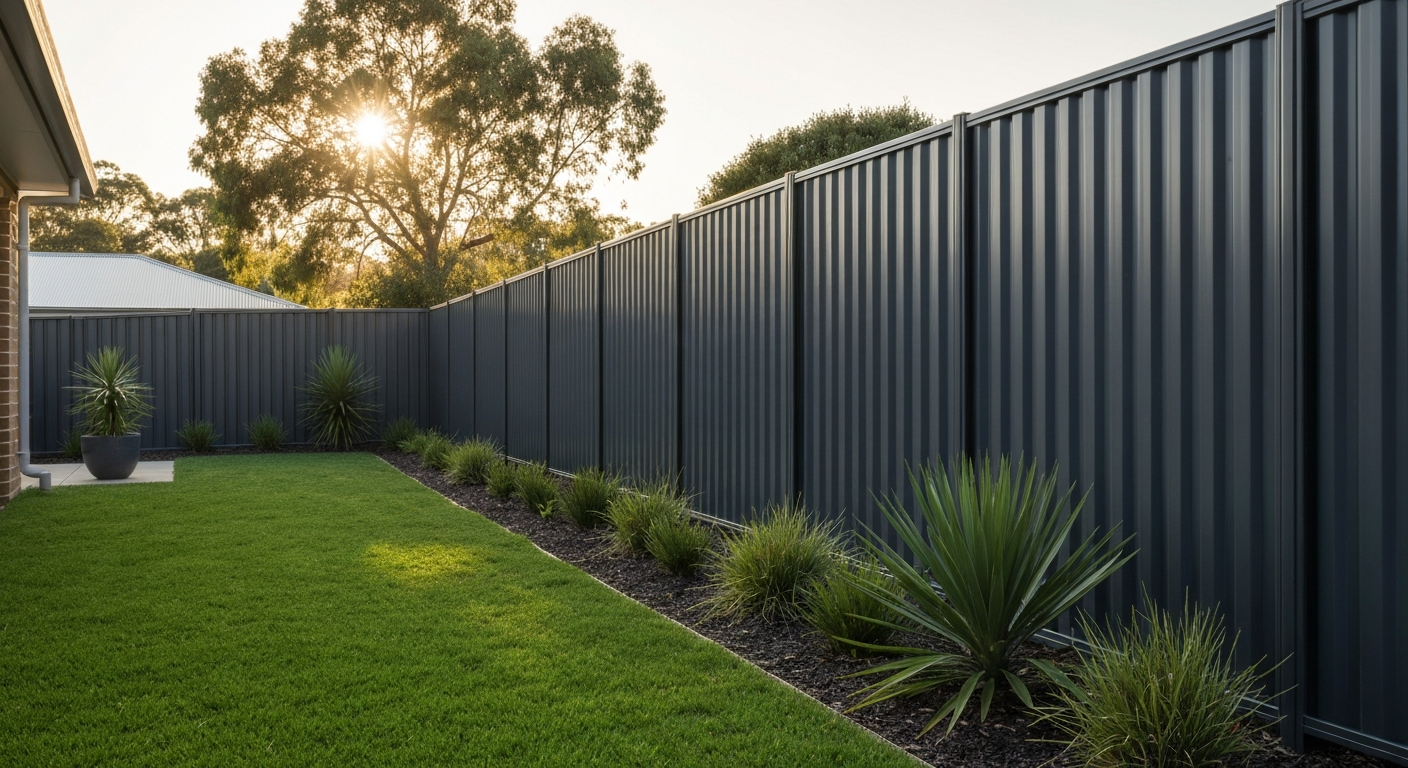
If you're in Melbourne, or anywhere with quick seasonal changes, it's particularly worth choosing a Fence contractor with experience in regional weather patterns. "Good products" and "good design" still matter, however they do not bypass bad timing.
When the projection is minimal, don't search for the cheapest day. Search for one of the most deliberate plan.
Final takeaway: climate does not ruin fencings, bad sequencing does
A fencing falls short when the system is forced into movement it wasn't prepared for. Rainfall softens the structure. Wind spins an incomplete frame. Heat modifications how products rest and stress correctings. Frost tests whether the base can resist soil development. Humidity increases corrosion and rot risk at prone interfaces.
The high quality difference you can feel later on, the fencing that remains straight and entrance hardware that keeps working, usually comes from install decisions made throughout the work, not after it.
Choose Fence contractors that plan around weather condition, ask the ideal questions, and don't deal with "practically completely dry" as the same as secure. That's how a fencing becomes greater than a weekend job, it ends up being a reputable boundary that withstands the climate it was built in.