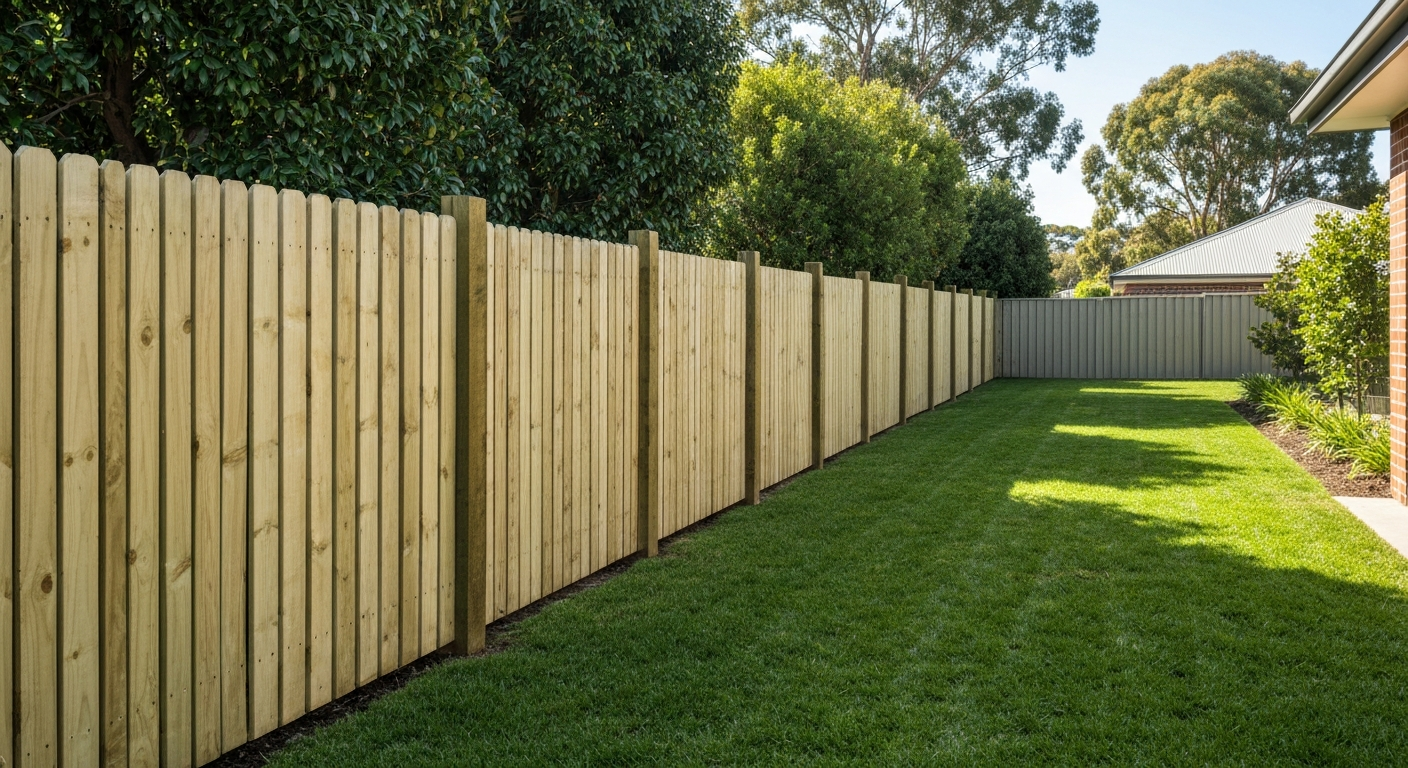
Selecting Fencing Products for Coastal or Humid Climates
A fence a seaside or damp climate needs to do greater than look good from the street. It has to endure continuous dampness, salt-laden air, quick cycles of wet and dry, and the kind of humidity that turns every "season" into a slow-moving corrosion examination. I have actually watched flawlessly audio fences soften, warp, split, and stop working long before the property owner anticipated, and it seldom comes down to one remarkable error. It comes down to picking a material that matches the physics of your site.
If you are working with a fencing contractor, or collaborating with a fencing company, product choice is the discussion that should happen prior to authorizations, before format stakes, and long before any person starts buying lumber. When messages are set in concrete or brackets are set up, you are secured right into the buildings of that material. The far better move is to make a decision early, with your actual setting in mind, not a sales brochure version of the environment.
The real adversaries in seaside and moist areas
Coastal air carries salt. Salt is corrosive, and it does not act like "simply water." It bonds to metal surface areas, slips right into fasteners, and speeds up rust even when rain seems seldom. Then moisture does its very own damages. In lots of seaside areas, the air is wet enough that surface areas never ever totally completely dry between dew and fog. That relentless moisture changes what happens to timber, composite boards, and even vinyl.
In inland damp areas, the tension pattern changes. You might not have salt, however you have lengthened dampness and high biological activity. Mold and mildew and mildew expand on shaded fencing lines. Fasteners corrode anyhow, due to the fact that humidity and caught wetness are still water in a various costume. Fencing boards that look "fine" during evaluation can be weakened from the inside out, specifically where water accumulates near the bottom edge.
There is likewise wind. Coastal winds push wetness laterally into joints, under rails, and behind pickets. If your fence style has tight voids that catch water, you can get sped up rot and coating failure. On the various other hand, way too much openness can mean salt spray accumulates on horizontal surface areas and spots faster.
The fence product matters, but so does detail job: equipment kind, finishing density, post spacing, drainage, and how the fencing is oriented to dominating wind.
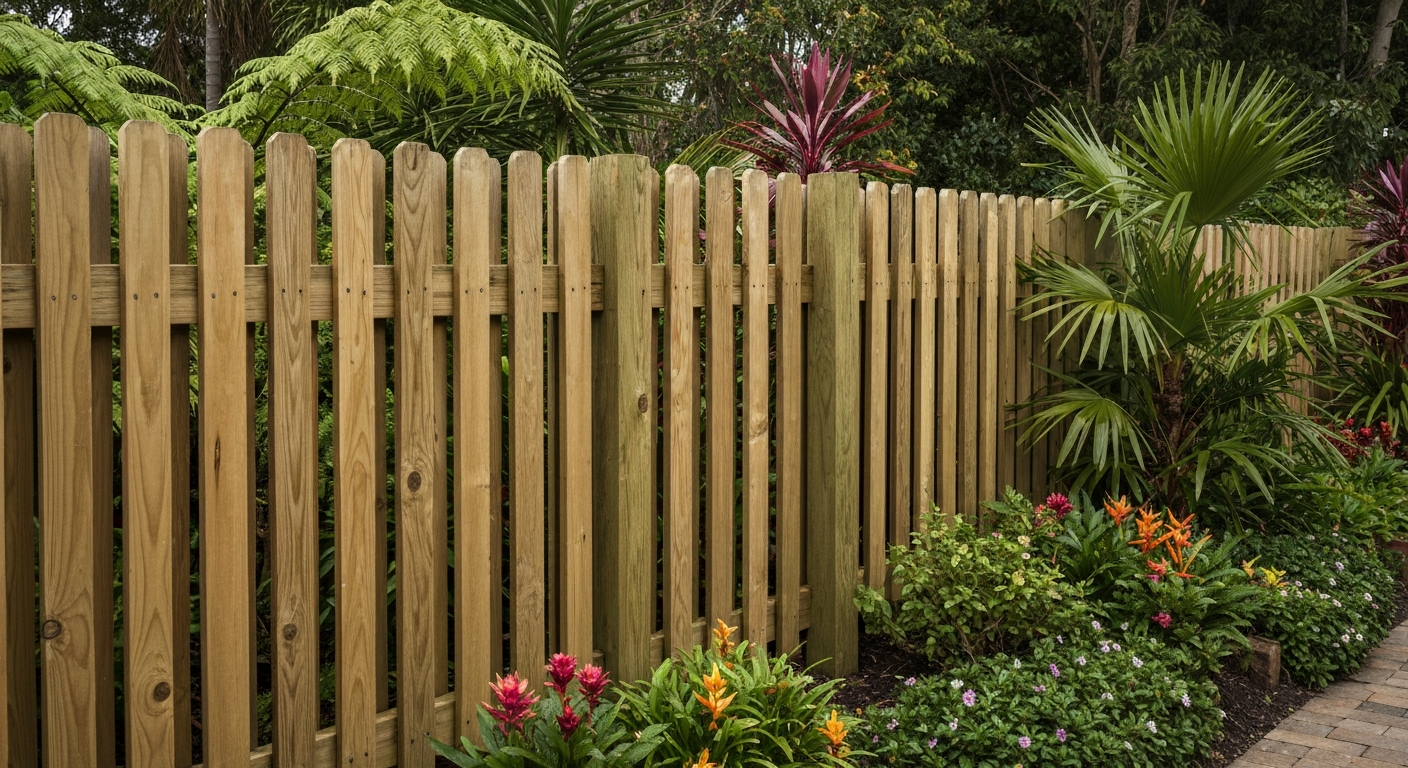
Wood: lovely, yet it requires a significant plan
Wood is the classic selection for household fencings, and it can still be a great choice. The concern is which timber, what quality, and just how it is completed and assembled.
Pressure-treated lumber
Pressure-treated lumber is common because it is conveniently offered and it stands up to rot far better than unattended wood. In moist and coastal setups, dealt with timber still has limits. If you catch water versus it, or if you secure it improperly, it can split or warp. Dealt with timber is likewise often used with standard exterior fasteners. Those fasteners matter as high as the wood.
If you go this route, insist on exterior-rated hardware, and ensure the design does not develop pockets where water sits for days. A fencing with solid rails that lost water much better will typically mature far better than one that holds dampness in the very same spot season after season.
Cedar and redwood
Cedar and redwood naturally resist rot compared to several various other timbers, which is why you see them in seaside landscapes. They succeed when they can dry out effectively and when air movement isn't obstructed by landscape design that hugs the fence line. Cedar can still bleach and gray under UV exposure and salt air, but that is cosmetic. The bigger issue is moisture trapped at joints.
Where timber fails early in seaside areas is frequently at the bolt points and at the bottoms of pickets where water lingers. A great fencing contractor will plan for drying out, and they will certainly deal with the important sides like they matter, since they do.
Tropical hardwoods and "exotic" woods
Some house owners like tropical woods because they are thick and can be really sturdy. Durability differs by species, and finish plans issue. In humid locations, even long lasting woods can suffer with the incorrect coating, particularly if the product traps dampness under layers.
If you are considering a "premium wood" option, ask straight questions: what species precisely, what is the moisture material at install, and what are you utilizing for hardware? If the answers are vague, treat it as a red flag.
Composite and plastic lumber: low upkeep, however watch the details
Composite fence and plastic lumber have actually earned their online reputation because they do not rot like timber. That is the headline. The truth is extra nuanced. Numerous composites and vinyl-like products are dimensionally stable, which helps with bending and splitting. They still encounter problems from heat, effect, and surface area staining.
In humid climates, mold can expand externally also when the material is rot-resistant. Generally it is more of a cleansing issue than an architectural one, however if you like the "collection it and neglect it" guarantee, intend on routine wash-downs.
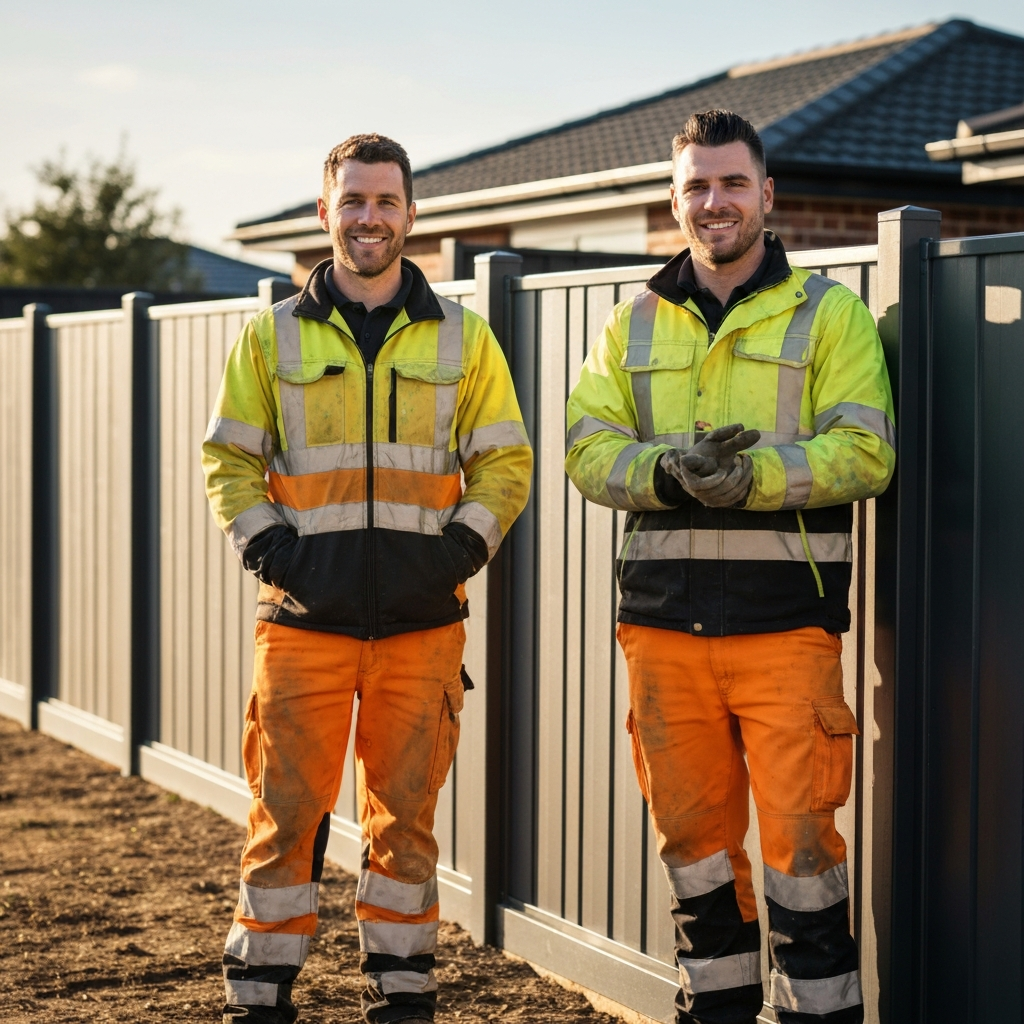
In coastal areas, salt can discolor and transfer on straight sides. If your fence style utilizes rails with level tops, anticipate much more noticeable build-up than on layouts that drain pipes well. Additionally consider that some composite systems are made with inner components that expand and contract in different ways. That can turn up as bolt tension troubles gradually if the setup guidelines are ignored.
The various other concern is just how boards are installed. Some systems utilize concealed bolts, which can be terrific, but just if the system is planned for outside direct exposure and the hardware is corrosion-resistant. A fence company that installs compounds properly will follow the product's fastener spacing policies and leave appropriate activity where required.
Metal fencings: great toughness, unrelenting corrosion risk
Steel and light weight aluminum fences can be exceptional in moist and seaside environments, yet the "steel" group is not one material. It is a family members, and deterioration resistance depends upon finishings and hardware.
Aluminum
Aluminum is usually the winner for seaside areas when you desire a conventional fencing appearance with very little rot risk. It normally does not corrosion like steel, and it is light-weight sufficient that several installations are simple. Still, seaside air can increase matching relying on coating top quality and how well the surface is protected.
If you see a light weight aluminum fence with a deal coating, you might notice dulling, discoloration, or small surface damages earlier than anticipated. That does not always suggest architectural failure, however it can influence look quickly. In greater moisture, surface area grime likewise sticks even more readily.
Steel
Steel fencings can be strong and resilient, yet you require to be choosy. Seek galvanization quality and a durable powder coat, particularly if you have salt. The sides and weld points are where deterioration starts if the safety layer is compromised.
Hardware choice is vital. If you connect steel rails with uncoated or thin fasteners, deterioration can start at the points first and after that spread. It is a classic path: dampness reaches the steel user interface, deterioration forms under the coating side, and the damage slowly slips outward.
Stainless
Stainless equipment can assist with long life, however it is not a magic wand. Stainless stands up to corrosion far much better than regular steel, yet it still needs to work with the remainder of the system. In some setups, dissimilar metals can lead to galvanic rust if water and salt bridge the void. That is an information a proficient fencing contractor represent during product selection.
Vinyl: looks steady, but it is not immune to moisture problems
Vinyl fence is popular due to the fact that it is very easy to keep. In damp and coastal climates, plastic has a significant advantage: it does not soak up water and it does not rot. Nevertheless, it can deal with surface dust and mildew growth in shaded locations. It can likewise warp or loosen up if the system is installed without right expansion allowance.
In coastal locations, vinyl often tends to stand up well aesthetically if the product high quality is good. Where you can obtain trouble goes to joints, message caps, and corners. If gaps enable water intrusion right into interior post dental caries, you might see discoloration or joint issues. Some items have actually layouts meant to lessen this, but installment still matters.
If you go vinyl, ask the fencing contractor how they handle temperature level development, and verify the post opening deepness and concrete methods align with the maker's assistance. "We constantly establish posts such as this" is not a method in severe climates.
Pressure and post settings: the component individuals overlook
No matter what material you select, your post technique and foundation details will influence life expectancy more than lots of people anticipate. In humid and seaside environments, you are dealing with water movement with dirt. When water rests near blog post bases, it impacts rot risk for wood and can increase rust at steel interfaces.
For wood fences, the message base is commonly the weak point. Rot normally starts where dampness is highest possible and air movement is lowest. That indicates you desire correct clearance over quality and a layout that drains pipes. The appropriate concrete deepness, use geotextile or drain preparation (where suitable), and proper spacing all contribute.
For steel and plastic, article bases still matter. Trapped dampness at the base can wear away fasteners that are near quality. It also impacts just how fencings work out with time. Clearing up reasons imbalance, stress on rails, and eventual loosening of hardware.
The finest fencings I have actually seen in moist climates are not just "the best material." They are made with water habits in mind. Rails are straightened so they do not hold water. Panels are spaced to minimize trapped dampness. And the setup follows what the product system is meant to handle.
The kind of fencing layout changes the risk
A personal privacy fence with solid panels faces different anxiety than an open picket fence. Solid styles reduce airflow, which can enhance moisture caught on the fence surface area. If you have a fence that obstructs dominating winds, you could anticipate less drying. On the other hand, open designs allow more wind and airflow, which can decrease dampness time, however can increase salt deposition on straight surfaces.
Shadow issues also. A fencing that beings in complete sunlight will dry faster after haze or rainfall. A fence behind thick hedges might stay moist, which influences mold and algae on plastic and compounds, and rot risk on wood.
Even the instructions you face plays a role. If your home backs up to an ocean-facing wind corridor, the salt loading can be remarkable. You can not "see" salt damages quickly, however you can notice it later in hardware corrosion, finish failure, and fastener staining.
Material selections by environment scenario
Instead of forcing a single answer, I such as to narrow it down by what you actually experience. Below are common situations I see in coastal and damp areas, in addition to what often tends to execute well.
Coastal direct exposure with salty spray
If you are within a few hundred backyards of the ocean or you get regular haze and salt-laden wind, prioritize rust resistance and excellent equipment option. Aluminum with premium layer and stainless or corrosion-rated bolts commonly does well. Plastic can additionally succeed, especially when mounted with growth allocations and attention to upload tooth cavity information. For wood, you can make it work, but you require the right species and you need upkeep behaviors or a finish plan that can tolerate salt exposure.
Humid inland with hefty dew and shade
If you have high humidity, regular dews, and shaded areas where air does not flow, mildew and caught wetness become the headline risks. Composite and vinyl still withstand rot, but surface growth can appear. Timber can last if the design sustains drying and if you protect against dampness from collecting near the bottom edges and joints.
Mixed problems with wind-driven rain
Some residential or commercial properties get struck hardest throughout tornados when wind drives rainfall right into edges and behind boards. In those cases, the best product is the one that can maintain joints completely dry or can sustain moisture cycles without weakening. Metal with durable finishing and secured edges can stand up. Wood can still be fine if it is assembled with corrosion-resistant equipment and ideal clearances.
There is no universal winner, yet there is usually a "least bad" selection for a provided lawn. That is why the very best fencing company conversations start with your direct exposure information, not just the look you want.
A stubborn checklist to require to your secure fencing contractor
If you want a fencing that lasts instead of a fence that falls short early, you need to ask concerns that expose whether the installer understands seaside or moist stress. Below is a short list I suggest. It maintains the discussion practical and forces specifics.
- What product system are you making use of, and what precise grade or product name is it?
- What hardware do you mount, and is it stainless or one more corrosion-rated option?
- How do you take care of message placement, drain, and clearance at the bottom edge?
- What surface plan do you suggest for timber, and how commonly ought to it be refreshed?
- How do you stop entraped wetness at rails, panel voids, and blog post cavities?
You are not being difficult. You are attempting to make certain the remedy matches the conditions. A fencing contractor that can respond to confidently is normally one who has actually constructed fences that survived actual weather, not simply ideal website conditions.
Maintenance truths, and why "reduced maintenance" can still indicate work
Even the most effective material needs some treatment in coastal and humid climates, yet the nature of the care adjustments. Timber generally needs even more hands-on maintenance: evaluations, cleaning, and re-coating depending upon finish type and sun exposure. Light weight aluminum and plastic frequently require much less architectural interest, yet they still need cleaning since salt movie and organic development collect over time.
Composite boards can resist rot however still collect mildew in shaded areas. If you neglect it enough time, mildew staining can become persistent, and the surface area can look older even if the structure is fine.
The real upkeep decision is about just how you take care of expectations. If you want a fencing that looks crisp with no effort for many years, material option can assist, but it can not get rid of the need to wash salt and gunk in seaside areas. A fencing is an exterior surface, exposed to dust, plant pollen, haze, and salts. The very best you can do is minimize the price of decline and maintain the failing settings slow.
What I would choose, based on what homeowners usually want
Homeowners typically have two priorities: look and long life, with budget somewhere in the center. One of the most pricey fencing is not constantly the best fencing, however the cheapest one is seldom the long-lived one in high-moisture environments.

From what I have actually seen, these prevail "wise wagers":
If you want traditional look, resilient structure, and marginal rot threat, light weight aluminum or top quality vinyl with proper setup is typically a solid choice. If you enjoy the warmth of wood and desire that natural grain, cedar or effectively selected pressure-treated lumber can last, yet you need a truthful upkeep strategy and equipment that can handle salt and moisture. If you want a mix of wood-like looks and much less rot danger, composite can work well when the installment system is adhered to thoroughly, and when you accept that mold cleaning may be part of the deal.
In all of these options, the fencing company issues. 2 fencings made from the exact same item can age differently based on handiwork, fit, drainage details, and equipment choices. A fantastic fence is not simply materials theoretically. It is exactly how those products are installed, sealed, and enabled to act in damp conditions.
Edge instances that cause early failure
Some failing modes appear only in particular designs, and they can capture also cautious homeowners.
If your fencing is close to lawn sprinklers or yard watering, you can transform a "great" product into a "fell short" product. Repetitive wetting bewilders drying cycles. Similarly, if landscaping beds hold water versus the fencing line, the bottom rails and article bases remain damp.
A typical mistake is obstructing air movement with dense growing. Plants look good for a season, after that the fencing line turns into a moist pocket. If you maintain shrubs also close, you can develop a microclimate that encourages mold and mildew and accelerates timber rot.
Another edge instance is using the wrong fasteners. Also a costs aluminum fence can experience fastener problems if the incorrect equipment is utilized. Salt and moisture are unrelenting; they find the weak point and assault it first.
Finally, low places in the yard can develop continuous wetness at one section of fence. That is when you see local failures, like one edge decomposing very first or one panel staining and bending earlier than the remainder. Site grading is not glamorous, but it matters greater than people realize.
Working with a fencing contractor or fence company on a practical plan
When you are looking for installers, treat the quote like a decision device. Ask for item specifics, not just an overall price. A fencing company that interacts plainly about materials and equipment is normally a better long-lasting companion than one that just speaks about labor hours.
Also, take into consideration how much time the business has been constructing in your kind of setting. You are not simply buying a fence, you are acquiring their experience with coastal humidity, haze exposure, and the type of failures that appear locally.
If the specialist can walk you with why they selected a particular material for your yard orientation, you are in good condition. If they reject your climate concerns or talk just about look, you may wish to look somewhere else. The fencing needs to feel like a prepared option, not a guess.
Two quick contrasts that assist you decide
Sometimes the fastest way to select is to compare materials with the lens of exactly how they fail.
Corrosion versus rot: what you are truly betting on
Wood primarily stops working through rot and splitting when dampness cycles overwhelm the product and its finish. Metal largely fails with corrosion at coverings, edges, weld factors, and bolts. Plastic and composite generally stop working with contortion, surface staining, and joint or bolt problems rather than inner rot.
If your priority is decreasing biological decay, rot-resistant materials like cedar (with great design), vinyl, and composite commonly lower the threat. If your priority is structural stamina with lasting coating stability, light weight aluminum with the ideal coating can be a solid choice. If your priority is natural visual appeals and you want to maintain, timber can still win.
Maintenance trade-offs
Wood generally requires more maintenance. Plastic and composite frequently demand much less, but cleaning is genuine, specifically in damp shade and coastal salt exposure. Metal frequently sits in the center, with maintenance primarily related to maintaining surfaces clean and inspecting hardware over time.
A good fencing contractor can aid you choose based upon your tolerance for upkeep. Some property owners would rather clean up mildew two times a year than refinish wood every couple of seasons. Others prefer to handle timber like stay clear of the appearance of artificial surface areas. Both approaches can work if the product option matches the climate stress.
The decision is personal, however the physics is not
Choosing fence products for seaside or damp climates is not regarding going after fads. It is about matching the product system to water actions, airflow, and corrosion paths on your particular property.
If you take one lesson seriously, make it this: discuss equipment and setup information as boldy as you discuss the fencing shade. Salt and moisture assault the weakest point, and in secure fencing, the weakest point is typically where products meet, where fasteners rest, or where water pools.
Whether you are dealing with a fencing contractor, a fencing company, a fencing contractor who concentrates on seaside builds, or a fence company that sets up throughout several areas, push for specifics. When you obtain clear answers regarding materials, bolts, article settings, and drainage, you are much more likely to end up with a fencing that still looks appropriate and still feels strong years from now.