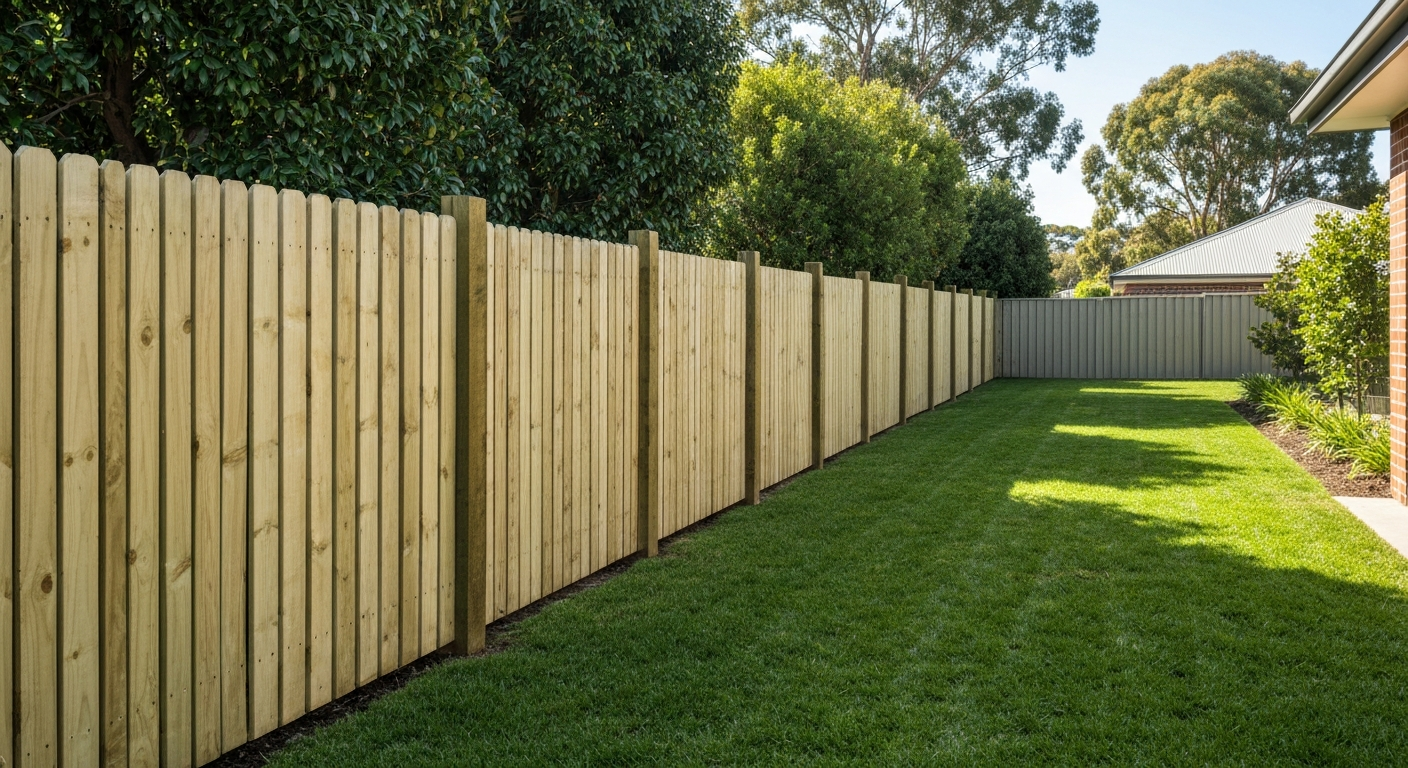
Fence Companies Melbourne: Installation Timeline From Start to Finish
Getting a fencing installed sounds uncomplicated up until you live through the procedure. Eventually you are gauging blog posts in the sunlight, the following day you are calling the building contractor's provider because eviction hardware needs to match the exact latch height. The timeline changes relying on council guidelines, dirt problems, material selection, and how active neighborhood installers are.
If you are working with fence business Melbourne, the most effective end result usually comes from recognizing what takes place in between "we want a fence" and "it's standing, lined up, and all set to make use of." Below is a sensible, start-to-finish timeline, consisting of the parts that commonly amaze house owners, plus the choices that influence how quickly the job can move.
The real timeline starts before the quote
Most people believe the clock starts when you sign the contract. In practice, the initial "timeline" starts earlier, because your choices influence everything that follows.
The fastest setups typically come from having clear information prepared from day one. That indicates you understand approximately where the fence needs to sit, whether you are changing an old fence or building brand-new, and what style you intend to see each day. If you have a canine that requires protected control, or a child that uses the backyard weekly, those demands change where entrances go and what clearance is acceptable.
If you are changing an existing fencing, likewise note whether you want it gotten rid of and carried away. Some installers consist of demolition and disposal as component of the plan, while others deal with removal as an add-on. That choice can change time and cost.
Finally, the paperwork and site coordination issue more than people anticipate. A fencing touches borders, drainage paths, and easements more often than a lot of brand-new house owners realise. The earlier you deal with those restraints, the less you stall later.
Phase 1: Site see, measurements, and boundary checks (usually 1 to 2 weeks)
A trusted company will arrange a site visit to verify dimensions, examine existing conditions, and talk through restraints on the ground. For timber, Colorbond, steel, paling, and most designs, the dimensions should be exact sufficient for panels and post spacing to line up without awkward cuts.
During this phase, you are additionally most likely to cover:
- Where existing fence lines in fact rest, especially if the previous fence was mounted by somebody else lengthy ago
- Whether there are challenges like tree origins, paving, concrete sides, stormwater pits, or yard beds
- How the ground slopes, because sloped websites usually require step spacing or raked adjustments
- Gate size and swing clearance, which should think about just how you make use of the driveway and footpath
Boundary checks are the component that can silently include time. Sometimes your fence line matches what you remember, and the job relocates promptly. Other times, the residential property limit is not where you assumed, and you need extra input prior to articles can be set.
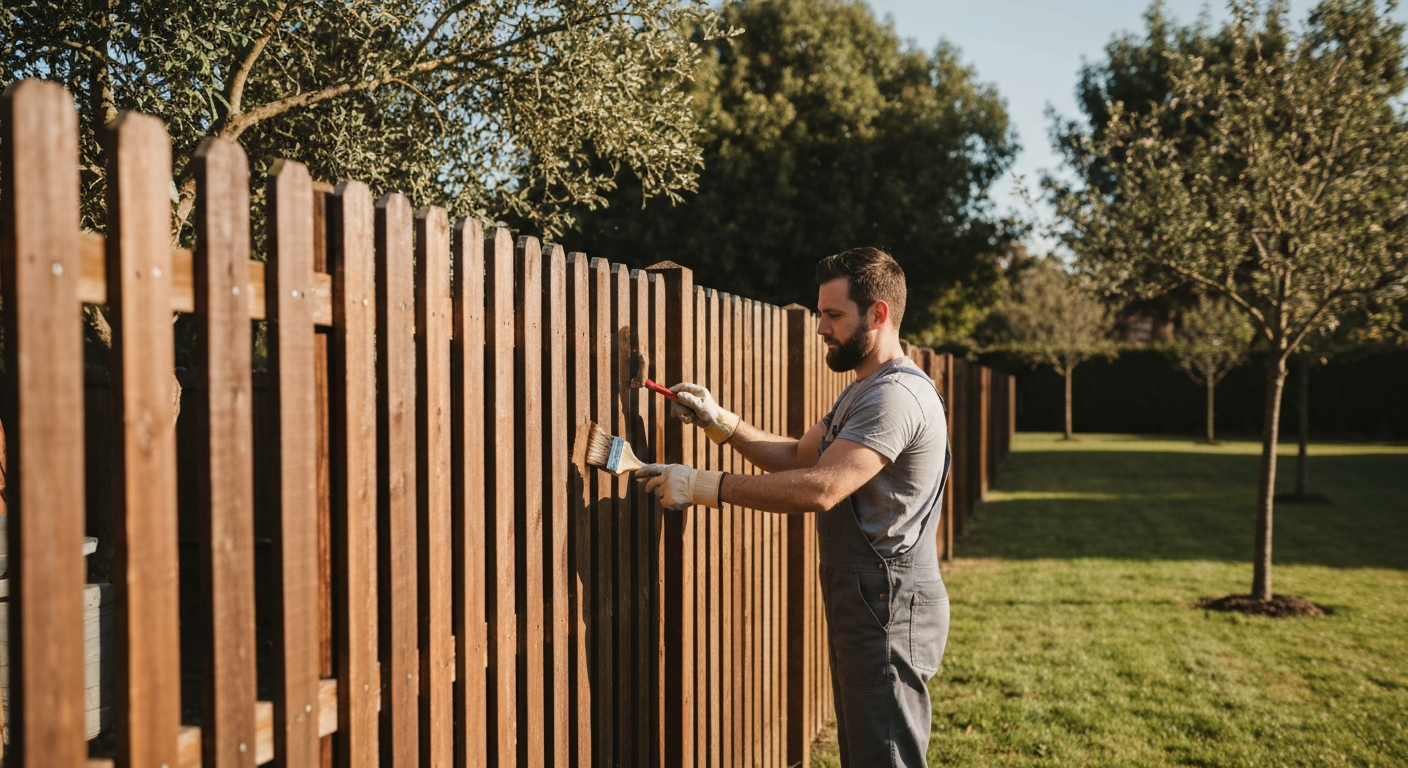
This is where some fence companies Melbourne stand apart. Solid drivers ask the ideal concerns early, then record the fence line so you do not wind up disputing where the articles pursue products arrive.
A quick narrative from the field
I have actually seen two quotes for the exact same size of limit fence end up with various post positions because one service provider measured from a set point and the various other approximated from an aesthetic marker. Neither professional was being "challenging," but the second approach created hold-ups, due to the fact that the fence had to be remodelled when the message line did not match the limit references.
Phase 2: Style verification, product option, and pricing quote (concerning 1 to 3 weeks)
Once the website visit is done, you typically get a quote that locks in the fence type, elevation, message spacing, footing method, and entrance configuration. This is also the stage where you validate colours, coatings, and any unique features.
Colorbond or powder-coated steel secure fencing has a tendency to be quicker in the drawing board because the elements are standardised. Hardwood and customized designs can take longer since the lumber grade, treatment, and board sizes require to be confirmed.
The quote must spell out what is consisted of. Focus on the details, due to the fact that the "installation timeline" is simply the noticeable part of the job. The behind the curtain work is organizing, getting, and working with trades.
Ask on your own what you are actually buying:
- Are footings consisted of, and what sort of footing is planned?
- Is the fencing being mounted right to the ground or on stepped sections for slope?
- Will the gate be installed with matching equipment and proper latching alignment?
- Is there a clear plan for demolition if an old fence is removed?
If the quote is vague concerning these, expect even more conversation later, which can add days or weeks.
Phase 3: Authorizations and neighbor control (can be 2 to 8 weeks, often longer)
This stage is the variable most house owners undervalue. Even when you are confident concerning your fencing placement, the procedure can require additional checks depending upon the local area, fencing elevation, and border specifics.
Neighbour control can be straightforward when the replacement straightens with an existing compliant fencing line. It becomes slower when the brand-new fence requires modifications, or when the neighbors have problems about elevation, personal privacy testing, sight lines, or building and construction timing.
If your job requires authorizations, the authorization operations can be quick in some cases and slow in others. Delays can originate from waiting for documentation, re-submissions due to a type mistake, or councillor review cycles.
A sensible means to handle this is to verify what is needed as early as possible. A strong fencing company Melbourne process must inform you what they manage and what you require to provide.
Edge situation: easements and services
Even if the fencing is "only" a border fence, you may have drain easements, stormwater lines, or utility solutions near the alignment. Post holes, excavation, and ground depth need to account for those properties. This is one factor professional installers do not just dig where the line looks clear. They intend around the below ground realities.
If your site has recognized service runs, it may extend lead time, because added checks or changes may be required.
Phase 4: Materials purchased and organizing confirmed (usually 1 to 6 weeks)
Materials lead times are commonly the biggest swing factor after authorizations. Steel and Colorbond components can be held up by manufacturer schedules, shipping, and seasonal demand. Timber supply can additionally vary depending upon board dimensions and therapy batches.
During this stage, an excellent installer will certainly secure the setup date or a minimum of provide a window. Some firms can schedule promptly if they have product available. Others will certainly book the crew around the shipment date.
This is where the timeline can extend without anybody doing "anything wrong." It is simply an issue of supply matching the team's calendar.
If you are working to a details target date, like an upcoming move-in date or a school holiday when professions can access the site, tell your installer early. It may change whether the business begins with demolition first, after that mounts, or whether they series job around shipment arrivals.
Phase 5: Prep and site configuration (usually 1 to 3 days)
Once everything prepares, you will see activity on website. The prep stage includes:
- Setting out the fence line so articles match the concurred alignment
- Checking degrees and mark elevations so the leading rail looks consistent
- Confirming gateway placements and ensuring the gate swing course is clear
- Protecting plants and areas you respect, particularly near retaining sides and paved access
If there is existing secure fencing to get rid of, this may occur in preparation. Some installers do elimination the day before footing begins, which maintains momentum and decreases downtime. Others like removal previously if there is a great deal of taking down or if disposal requires a separate booking.
A note on landscaping and surfaces
If you have actually developed yards or recent landscape design, you may intend to discuss safety steps. Message digging and concrete works can harm sides, lawn sprinkler heads, and dirt beds. A quick walk-through while the team is on website can stop those tiny problems that turn into longer delays.
Phase 6: Footings and article installation (usually 1 to 2 days, plus curing time)
This phase is where the fence comes to be architectural. Messages are established, lined up, and safeguarded with the correct footing approach for the soil and fencing type.
In numerous country Melbourne contexts, one of the most typical techniques include excavating openings and establishing blog posts with concrete. The exact mix, depth, and footing style can depend on the ground conditions, fence height, and whether there is hefty wind exposure.
Why this stage often takes longer than expected
Even when the digging and setting are quick, the fence team may require to stop briefly after establishing posts to make sure the concrete cures appropriately. If they hurry, the fencing can change, and alignment issues can turn up later when rails and infill are attached.
In functional terms, you may see a crew do the article installment in a day or more, then await a treating home window prior to rail and panel work. Some firms arrange the job so the whole installation takes place in one constant block. Others separate it based upon curing needs and crew availability.
If you are preparing around climate, this matters. Rainfall can slow down curing and influence excavation quality.
Phase 7: Rails, infill, and panel assembly (normally 1 to 3 days)
Once messages are set and secure, the rest of the fence enters. For steel fencings, rails are fixed and panels are affixed. For wood, pickets are spaced, taken care of, and checked for consistency throughout sections.
This phase often tends to relocate promptly because the difficult placement work has actually already happened with the posts. Still, it is not "immediate," especially on bigger sizes or when you have multiple gates, edges, or unequal ground.
Gates are a diplomatic immunity. They need careful alignment so the lock satisfies the strike plate correctly and eviction does not scratch. If eviction equipment gets here later, or if the gate framework requires modifications after suitable, it can include time.
Corners, slopes, and yard obstacles
Corners and inclines are where workmanship shows. A fencing can look directly from 10 meters away but uneven on close evaluation if message spacing and rail levels are not managed appropriately. Installers typically require time here to make certain the fence "reviews" appropriate visually, not just mathematically.
If your residential property has a driveway incline, a side return with tight clearances, or developed paving edges, you could see extra cutting and installation. That is regular, and it is typically better to allow the installer make the effort currently than approve rushed work that requires rectification later.
Phase 8: Completing touches, clean-up, and handover (commonly half a day to 2 days)
Even if the main installment surfaces quickly, there is constantly a wrap-up duration. This consists of:
- Checking dimensions once again for the gate and any kind of latch alignment
- Tightening installations and re-checking top line and picket spacing
- Tidying the website, getting rid of offcuts and leftover materials
- Confirming the last fencing elevation and appearance with you on site
With hardwood, added steps may include stain or treatment (depending upon item and whether the hardwood is pre-treated). With steel or Colorbond, the "ending up" is generally about equipment alignment, touch-ups, and ensuring safety coverings are intact.
A good installer will also describe maintenance basics. Wood fences commonly require periodic inspection and treatment to maintain the appearance even and safeguard the wood stability. Steel fencings may require cleaning and checks for any damaged coatings.
A practical end-to-end timeline (what you can intend around)
Every task differs, but property owners generally desire a useful sight of timing. If you are looking at the process like a schedule you can intend your life around, right here is a valuable framework.
Across a common fence upgrade on an uncomplicated block, you could see a timeframe around 4 to 10 weeks from first get in touch with to completion. If approvals or neighbour sychronisation comes to be engaged, it can stretch to 8 to 14 weeks, sometimes more.
This is why "timeline certainty" is seldom feasible without knowing the website restraints. But you can still decrease uncertainty by moving with each phase emphatically, particularly on limit positioning and product selection.
How to maintain the timeline moving (without micromanaging)
Most hold-ups are not remarkable. They are small holds in interaction or decisions taken far too late. If you want the job to progress smoothly, maintain your actions quick when the installer asks for options or confirmations.
Here are the most reliable behaviors, from what I have actually seen work dependably:
- Confirm the fence style and colour early, before materials are ordered
- Decide on removal and disposal at the same time as you decide on the brand-new fence
- Provide accessibility details, auto parking arrangements, and contact schedule for the days professions will certainly get on site
- Review the fencing line set-out and entrance placements as soon as the installer notes them, not days later
- Ask concerning healing time and sequencing so you know when the fence is "complete" versus "structurally prepared"
You do not need to hover, however existing for crucial checkpoints can avoid weeks of rework.
What can reduce installment down (and just how to prepare)
It is not simply approvals and materials. Some common problems include time, even when every little thing is booked properly.
Soil is a big one. Rocky ground or unsteady soil can require deeper footing or extra care during excavation. If the website is saturated, openings can break down, which implies extra time for re-digging or re-planning ground depth.
Another constant problem is misalignment with existing features. If a fencing satisfies a keeping wall, a driveway edge, a side gate, or a garden bed, the remedy commonly needs instant judgement. That can be fast if the staff is prepared, and slower if they discover the "actual" condition during excavation rather than during the preliminary measurement visit.
Finally, entrances can develop delays if you are not sure of the opening you in fact need. A gate that looks right on paper can be inconvenient in real usage. For instance, if you park a ute or utilize a wheelbarrow, you might want a larger entrance or a different swing instructions. Those decisions must be locked before construction and ordering.
Questions to ask your fence firm Melbourne prior to job starts
A pleasant, professional business will gladly respond to practical questions. If you ask early, you prevent shocks later.
Consider asking these 5 concerns, since they map straight to time and top quality:
If the responses are clear, particular, and based in your website details, you are taking care of the appropriate sort of operator.
What "done" resembles when the team leaves
One of the hardest components of any type of construct is not recognizing what to inspect at the end. You want the fence to look great, but you also require it to be appropriately mounted so it remains good.
When you do the last walk-through, concentrate on alignment along the line of view, whether gates open and close efficiently without dragging, and whether the top line and spacing correspond. Search for spaces that were not meant, examine that fixings are consistent, and ensure the fence does not wobble.
If there is a worry, raise it before the installer leaves. Solutions are usually quick on the day the staff is still on site. Repairs a week later on can need rescheduling.
An excellent fencing firm Melbourne technique is to deal with the handover like a quality testimonial, not simply a final move of the driveway.
Seasonal timing in Melbourne: does it matter?
Season impacts drying and curing, and Melbourne weather can be unforeseeable. Generally terms, if you are scheduling around heavy rainfall or winter season problems, treating times can really feel longer, and set-out and excavation can become messy.

That does not mean fences can not be installed in any kind of season. It suggests you might see somewhat more extra padding in the timetable, specifically for footings and any treatments that require completely dry conditions.
If you can choose a start date, plan for weather windows and ask your installer exactly how they commonly schedule curing in your particular backyard conditions.
An example "day in the life" of a fence job
To make the timeline really feel real, think of a reasonably complicated work on a standard Melbourne block.
The installer comes for set-out and starts the post dig. They validate gate positioning and check levels, then location posts. By the end of the first day, you can already "see" the fence line arising. Day 2 is generally concerning getting the blog posts to a fully set, stable phase, after that beginning rails and infill where the timetable permits. If the curing routine requires even more time, rail installment might be pressed to the next day or 2. Then panels enter swiftly, and gates are fitted carefully.
You could see the complete fencing looking total in a number of functioning days, yet the architectural milestones and final alignment checks still matter. That is the difference in between a fence that looks good today and one that stays real through the following summertime wind season.
Bringing it all together
A fencing setup timeline is not just a series of tasks. It is the overlap of decision-making, purchasing, accessibility control, approvals, and on-site judgement.

If you desire the process to run efficiently, deal with the early steps as component of the mount, not something separate. Confirm your border factors to consider and gateway needs early, pick products with distribution time in mind, and watch on set-out and alignment when the crew notes the line.
When those items click, fence companies Melbourne can frequently deliver a complete fence within a sensible window like 4 to 10 weeks on simple websites. When approvals, neighbor control, or border issues show up, prepare closer to 8 to 14 weeks, and stay versatile around weather condition and treating realities.
If you are intending your fencing, the best question to ask is not just "When will you start?" but "What will identify the coating day for my details residential or commercial property?" That a person question typically brings about a clearer schedule, fewer surprises, and a fence you more than happy with for years.