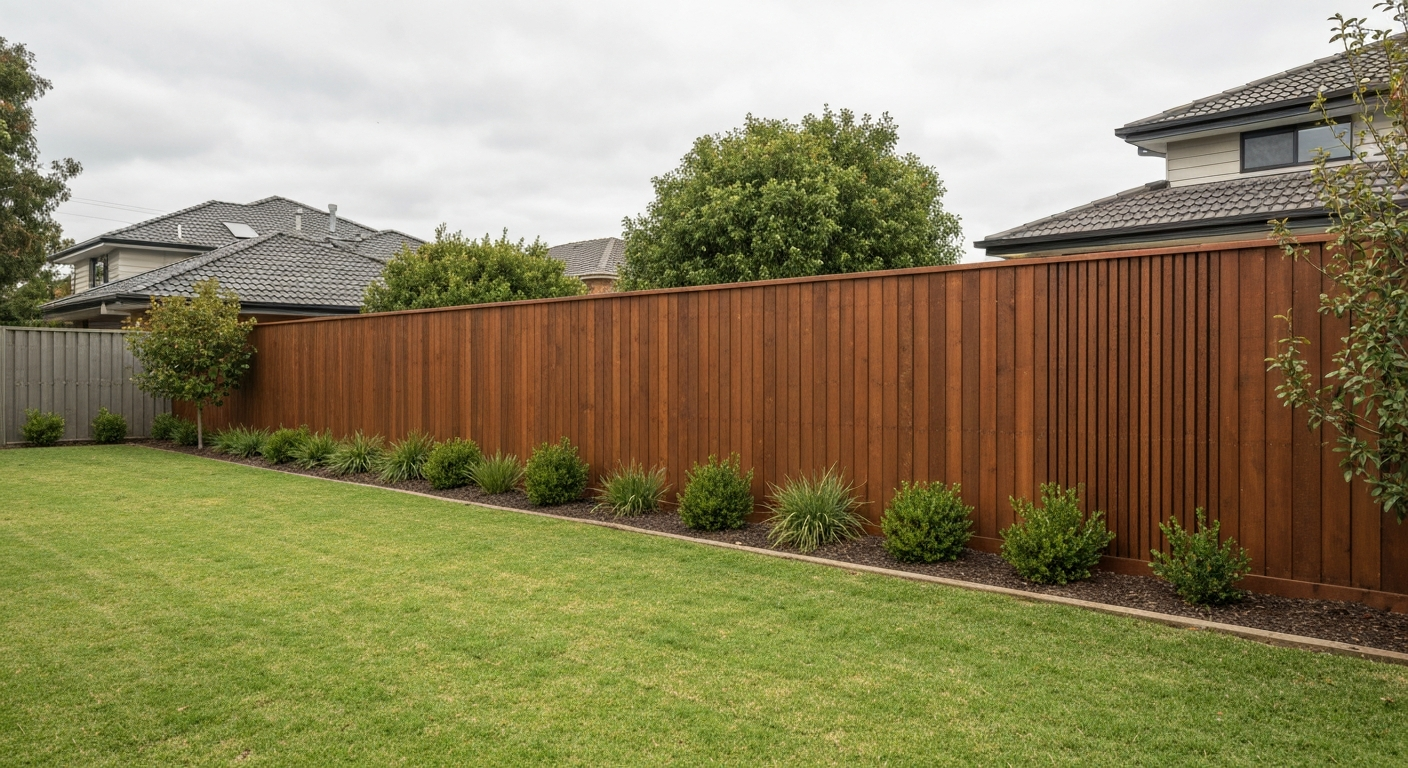
Fencing Installer Melbourne: Enhancing for Wind and Weather condition
Melbourne weather has an ability for altering its mind fast. One morning the backyard looks calm, by late mid-day the wind is pushing sidewards, and afterwards a hefty rainfall comes through like it's trying to show a point. If you have actually ever before viewed a flimsy area of paling shudder in gusts, or discovered a gateway that wanders out of line after a couple of tornados, you already comprehend the real task of a fencing installer Melbourne does.
It's not simply installing a fence. It's building a structure that remains true with wind tons, damp weather condition, thermal activity, and the slow work of day-to-day use. The difference between "looks great today" and "still solid after a few periods" is usually reinforcement. Occasionally it's evident, like proper bracing. Other times it's refined, like just how messages are set, just how rails are sized, or whether the fence is made around the wind instructions your residential property actually gets.
I'll go through what reinforcement really implies, just how it affects longevity, and what to ask when you're choosing a fence installer, fence installers Melbourne, or a fencing installer who comprehends Melbourne's wind and weather condition patterns.
Why support matters more than individuals expect
A fencing looks easy due to the fact that it's primarily boards and articles, however structurally it's a sail. Even when the boards overlap, wind locates spaces. In gusty problems, that force presses the fencing laterally, and the messages and bracing need to withstand it.
If reinforcement is dealt with as an afterthought, you often tend to see the very same troubles emerge:
- Posts loosen up or shift in the dirt due to the fact that the side forces have nowhere safe to go.
- Rails sag or twist, especially on fencings with broad panels in between posts.
- Gates start scrubing, lock correctly only when the wind is tranquil, then misalign after a storm.
- Boards warp and develop irregular gaps, which after that enhances the "catch" for the following gust.
The complicated part is that these problems can be postponed. A fencing can look appropriate for some time and still be silently shedding strength. The initial signs are typically tiny, like a small wobble you just observe when you get hold of the paling with your hand. Then, over a couple of weather cycles, the motion ends up being permanent.
On work I have actually seen around Melbourne, the fences that lasted were the ones where the installer dealt with the wind as a layout factor, not a surprise.
Wind loads in Melbourne: the real-world version
Melbourne wind isn't almost average breezes. It's about gusts and transforming instructions. You could have one side of the home that obtains hit continually, and one more side that hardly ever takes straight stress. Your fence can wind up with extremely different stress and anxieties across the exact same yard.
Reinforcement choices should mirror that. For instance, if you're backing onto an open location, you usually require stronger blog post bracing, tighter article spacing, and much better rail connections. If your fence rests behind well established trees or is partly protected, you can often utilize lighter elements without pushing the framework as well far.
I bear in mind one specific job where the customer insisted the fencing "looked straight" despite the fact that the location near the front gateway was clearly the trouble. We inspected the positioning under gust conditions and you could listen to the fencing working, a pale creak and rattle that informed the tale. When we enhanced the side return properly, the whole run resolved. Nothing regarding the boards changed significantly, however the fencing stopped imitating a loose frame.

That's the point. Reinforcement is about making the framework behave the means it need to under force.
Weather is more than rainfall: moisture, warmth, and movement
Rain affects fences in two main ways. First, it can soften soil around the blog posts and lower friction, which makes article movement more probable. Second, it drives development and contraction in materials.
Timber fences broaden and contract with moisture and temperature. Metal components expand and get as well, and those activities can loosen up mendings if the style permits flex. That's why the "how it's linked" component of fence matters as high as the "what it's made from."
If boards are installed without great allowances, they can cup or twist. If rails are undersized or improperly braced, hardwood motion becomes sagging, after that turning, after that much more activity. The fence comes to be a system that enhances its very own problems.
In Melbourne, you often deal with wet durations adhered to by dry and warmer stretches. That cycle is where you see swelling, then contraction, and the bolts and joints take the hit. Support aids the structure stay inflexible enough that typical material activity doesn't become structural drift.
Post spacing and established deepness: the peaceful backbone
When people speak about "enhancing a fence," they typically focus on adding extra wood or stronger rails. That assists, however the majority of the architectural dependability starts at the posts.
Two variables stand out:
Post spacing
As well vast, and the panels have extra surface to push versus. Even if the boards are thick enough, broad spacing implies rails and boards are doing more work than they should. Narrower spacing typically enhances tightness. The trade-off is cost and work, due to the fact that you make use of a lot more messages and concrete or footings.Set depth and ground quality
Posts need a stable base that resists side motion. In damp climate, dirt conditions can shift, especially where water drainage isn't excellent. A much deeper, better-prepared ground frequently holds better versus wind pressures. But it's not just "deeper is better." You also require the ideal footing approach for the dirt and exactly how the ground behaves after rain.On some websites, the ground can be strong and predictable. On others, it can be variable, with pockets of softer material. That irregularity is where excellent installers slow down and inspect. The support isn't a single bolt-on improvement, it's a choice made from what's actually under your yard.
Bracing: making the fencing resist sidewards force
Bracing is the clearest support action due to the fact that it straight attends to lateral pressure. Without supporting, a fencing can behave like an adaptable ladder: it guides, after that each gust makes it guide extra, and connections fatigue.
Good fencing installers Melbourne will generally consider bracing in 3 common areas:
- Corner messages and end articles, where the fencing modifications direction or terminates
- Gate frames, since gates concentrate lots and create leverage
- Long runs where wind can develop pressure over a larger span
The certain supporting approach depends upon the fencing kind, elevation, and whether the fence is more strong or much more open. However the concept corresponds: you're creating a triangular or a rigid structure so the fencing can push back versus wind instead of vacating position.
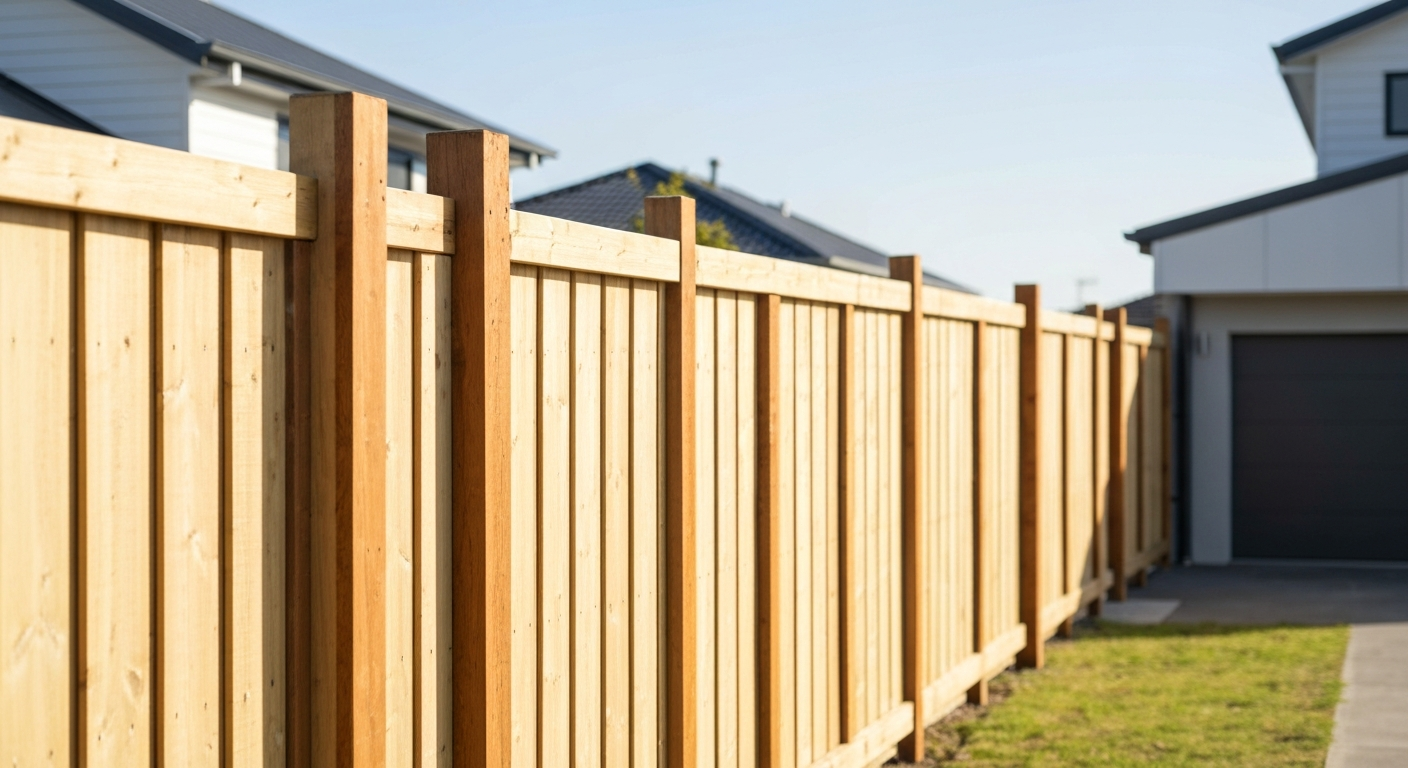
A functional example: on taller fencings, or fences with even more solid infill, including supporting at the ends can dramatically reduce the "see-saw" effect you really feel when you press the fence with your hand. On the other hand, if you support only completions but leave a weak mid section, gusts can still create flex in between blog posts. That's why often you need intermediate support too.
Rails and links: where strength is either won or lost
Rails are the skeleton that keeps boards straightened. Reinforcement isn't just about bigger rails. It's about exactly how they're attached to posts.
Connections take tons. Screws, braces, braces and lumber user interfaces, or screws with metal parts all have to be mounted appropriately to stand up to both pull-out and shear forces. In gusty problems, the fence doesn't simply get pressed, it likewise twists a little. If the connections permit twist, the fencing can rack, meaning it deforms into a parallelogram shape.
Here's what I look for during installs:
- Are rails dealt with to articles in a manner that prevents activity, not just in a manner that looks neat?
- Do connections suit wood motion without leaving the structure loose?
- Are repairings corrosion immune when exposed to rain and damp air?
- Are boards attached in a consistent pattern that won't produce irregular stress?
The weather component issues because moisture and salt direct exposure can corrode bolts in time. In Melbourne, deterioration isn't always severe like seaside sites, but damp air is common enough that you want parts selected for exterior resilience and installed properly.
If your fencing is currently wobbling, one common reason is that the rails and correctings have actually lost rigidity. In that case, strengthening the post base and bracing frequently helps, but so does addressing rail accessory points.
Choosing materials for reinforcement: lumber, metal, and combined builds
Reinforcement can look different relying on the fence products. Hardwood fences, which are extremely typical in Melbourne backyards, rely on rigidity from articles, rails, and joinery. Metal elements can include rigidity, specifically where you require dental braces and gateway frames.
A blended fence could utilize wood boards with steel blog posts or brackets. That can be resilient if the system is developed in its entirety. Where mistakes happen is when the components are "compatible enough" however not in fact matched. For example, timber rails could be repaired to steel messages with hardware that doesn't supply the ideal take advantage of or tightness.
When selecting a fence installer Melbourne work design, it helps to ask just how the installer approaches the construct as a system rather than a list of components. Are they enhancing where it matters most? Are they considering just how wind pushes through the boards to the rails and afterwards right into the posts?
If the fence installer Melbourne can describe the support reasoning in ordinary language, that's usually a good indication. You don't need technical jargon, but you do desire a coherent plan.
Gates and fencing lines: the leverage problem
Gates are where reinforcement turns up quick due to the fact that gateways imitate bars. A little imbalance comes to be larger with usage. If an entrance article or joint side isn't properly enhanced and set, you can get sag, binding, and lock failure after a couple of seasons of wind and rain.
Gate lots also include human forces, not just weather. Individuals pull eviction to close it throughout wet climate when their shoes are sliding. Youngsters turn it. In gusty conditions, eviction can rattle and jump. That repeated effect influences joints and the frame.
The right reinforcement approach is normally:
- Stronger entrance posts, correctly set
- Bracing made for eviction swing and lock side resistance
- Rail links that stop spin and sag
- Alignment checks at mount time, not "close adequate"
If you're dealing with an existing fencing that's misaligned, enhancing eviction side usually repairs greater than the gate itself. It can additionally reduce stress and anxiety on the adjacent fencing panels by stopping the entire framework from shifting.
Reinforcing an existing fence vs structure new
You could be reading this due to the fact that you're intending a brand-new fence, however many individuals wind up right here because their existing fence is falling short. Reinforcement is still feasible, yet the approach changes.
With an existing fencing, you need to diagnose why it relocated. The cause establishes what to strengthen. Occasionally it's:
- post movement in the footing
- rail droop or twist
- loosened fixings
- board bending that made spaces larger
- inadequate supporting in edges or long runs
In one work, a client had replaced a few boards and believed the trouble would certainly be fixed. The wobble stayed. After a more detailed look, the blog posts at the end had moved slightly, and the rails were no longer supporting each other correctly. Changing boards fixed the look, however just strengthening the blog post and rails stopped the movement.
That's an essential trade-off. Support fixings can cost more upfront than changing boards, however they address the structural problem instead of treating symptoms.
What to ask a fence installer before they start
If you're employing a fence installer or fence installers Melbourne, your concerns need to aim at reinforcement decisions. You desire clarity on where they will add strength and exactly how they'll deal with wind and weather exposure.
Here are a couple of questions that have a tendency to divide a fast work from a considered build:
- How will you enhance end articles, edges, and gateway blog posts for side wind load?
- What message spacing will certainly you use for this details fencing elevation and style?
- How will you set the articles based on the dirt problems after rain?
- Will you utilize supporting in futures or only at endpoints?
- What hardware will certainly be made use of to withstand rust and movement over time?
An unwinded, positive installer ought to answer without dodging. If they just talk about aesthetics, it deserves pushing harder on the structural side.
A practical reinforcement checklist to make use of on site
If you're monitoring or perhaps just evaluating a quote, it assists to assume in terms of evident information. Below's a brief list I 'd in fact make use of when analyzing support quality.
If you can't see these aspects plainly throughout the build, you ought to ask. Good fencing installers Melbourne anticipate concerns and can describe what you're looking at.
Common blunders that compromise fencings under wind
Reinforcement falls short usually because of little decisions made very early or edges reduced throughout installation.
One error is relying upon board density alone. Boards can look significant, yet if the framework flexes, the boards will certainly end up taking in motion. That results in squeaks, loosened fixings, and warping.
Another mistake is inconsistent rail and support positioning. Also if everything is the right dimension, unequal placement can produce powerlessness where racking beginnings. Wind after that focuses stress and anxiety there.
Finally, missing the link in between structure and ground is a big one. If the message base isn't prepared properly or the setting method does not suit the soil, support over ground can not fully compensate. The fencing might still relocate, just with more pricey elements attached.
When you're picking Fence installer Melbourne services, it deserves recognizing that the strongest-looking fencing on paper can fail if the setup details are sloppy.
Comparing reinforcement strategies for various fence styles
Not every fence needs the exact same support thickness. A high, strong fencing requires a lot more resistance than a lightweight, much more open design. Below's a basic way to think about it without getting shed in technological specs.
|Fence design|What wind tends to do|Reinforcement top priority||-- |-- |--|| timber paling fences with voids|catches gusts through spaces, pushes laterally|message setting, bracing at ends and gateways, rail rigidity|| solid or near-solid panels|acts like a sail|tighter post spacing, more powerful supporting, durable rail connections|| slatted or open layouts|much less area, however still racking|protect against twist, make sure rail alignment, usage adequate bracing on futures|
This is a wide contrast, and the exact ideal choice depends on fencing height, spacing, and local direct exposure. But it assists mount the discussion with a Fence installers Melbourne team so you're not spending for reinforcement where it won't transform efficiency much.
How long support lasts, and what "upkeep" really means
A well-reinforced fence ought to require less intervention, however it does not mean no maintenance. Exterior systems reside in cycles. Wood will certainly move, fasteners can loosen up slightly, and equipment can require checking after heavy storms.
Maintenance isn't attractive, however it's the distinction in between "still audio" and "silently stopping working." If you have actually ever tightened a lock after a windy week and noticed eviction quit binding, you have actually seen upkeep as a performance tool.
A sensible assumption is that you must evaluate after significant weather. Search for:
- wobble when you press gently at mid span
- visible gaps enhancing over time
- signs that rails have shifted
- fasteners that look stood out or loosened
- gate droop or latch misalignment
If you're currently seeing activity, earlier reinforcement commonly costs less than waiting till the damage spreads to several posts.
Finding the best fencing installer for your property
If you remain in Melbourne and you're comparing quotes from a fence installer, a fencing installer, or Fence installers Melbourne providers, do not just pick based upon cost. Choose based upon how they handle the support conversation.
An excellent installer will:
- ask regarding wind exposure, lawn layout, and gate locations
- explain just how they plan to strengthen articles, rails, and bracing
- suggest sensible renovations rather than overbuilding everything
- be comfy explaining what they will certainly and will not alter on an existing fence
Look for trade judgment. Support isn't constantly "extra is better." Often you reinforce strategically and the fence becomes stiff where it matters. Other times, if you add reinforcement in the wrong places, you invest even more cash without improving performance.
That's the distinction in between a task that just goes up and a task that lasts.
Final note on strengthening for wind and weather
Melbourne backyards vary, and so are the fencings that sit in them. The very best end result takes place when support is treated as part of the design, not an aesthetic upgrade.
Whether you're working with a fence installer Melbourne to construct a new run, or you're bringing a fencing installer in Melbourne to enhance an existing fencing, the principle stays the same: make the structure stiff, keep messages stable, support the powerlessness, and attach everything properly.
If the wind strikes your boundary and your fencing hardly notifications, that's when you recognize the reinforcement did its job.