Garage Door Replacement Planning for Safer Automatic Operation
A garage door replacement is often treated as a home improvement project, but it is also a safety decision. The door is large, the opener is powered, the moving parts are above shoulder height, and the system operates in a place where families pass through with groceries, bicycles, pets, tools, and children. When the door is automatic, replacement planning should begin with one question that is more important than color, panel style, or convenience: will the new system operate safely every time it closes?
That question matters because automatic residential garage door openers in the United States are covered by a mandatory federal safety standard. They must include entrapment protection, such as a photoelectric “electric eye” sensor or an equivalent safety system. The reason is direct and serious. Non-reversing garage door openers have been identified as a hazard, and fatal entrapment incidents involving automatic garage doors have been documented. A properly functioning opener should reverse when the closing door meets an obstruction, and its safety reversal system should be tested monthly.
For homeowners planning garage door replacement, this changes the way the job should be approached. The work is not just removing one door and installing another. It is a chance to evaluate the entire operating system: the garage door opener, garage door springs, torsion springs if the system uses them, garage door rollers, garage door cables, garage door tracks, garage door sensors, hardware alignment, balance, and the household habits around the door. A replacement that looks new but closes with a poorly adjusted opener or neglected sensor system has missed the main point.
Start with the safety system, not the door style
Most homeowners begin with appearance because that is the part they see from the driveway. That is understandable, but an automatic garage door does its most important work at the floor line, where a closing panel meets the path of people and objects. Planning should start there.
A residential automatic opener should have working entrapment protection. In practical terms, many homes use photoelectric sensors mounted near the lower portion of the opening. These sensors are often called electric eyes. Their purpose is to detect an obstruction in the path of the door and signal the opener to stop or reverse. The federal requirement allows a sensor or an equivalent safety system, but the principle is the same: an automatic closing door must not be allowed to continue downward in a dangerous condition.
During garage door inspection, a technician should verify that the safety feature is present and working. The presence of small sensor housings near the track does not prove the system works. Sensors can be misaligned, damaged, blocked, disconnected, or installed in a way that gives a false sense of security. A replacement project gives the homeowner a good opportunity to correct those issues rather than carry them into a new installation.
The opener’s reversal behavior matters just as much. Safety guidance calls for monthly testing of the safety reversal system. If the door fails to reverse, the opener should be adjusted according to the owner’s manual or inspected by a professional. That instruction is simple, but many homes go years without a test. People assume the opener is fine because it moves the door. Movement is not the same as safe operation.
A door that closes smoothly under normal conditions may still fail when challenged by an obstruction. That is why testing is part of garage door maintenance, not an optional extra. A replacement plan should make room for testing after installation, and the homeowner should understand how to continue that testing after the crew leaves.
Why automatic operation changes the replacement conversation
A manual garage door and an automatic garage door share many physical parts, but the risk profile changes when a motor closes the door at the push of a button. A person pulling a door by hand is usually standing near it and can feel resistance. An opener does not “understand” a situation in the human sense. It relies on properly installed safety systems, correct adjustment, and a door that moves predictably on its tracks.
This is where garage door balance becomes more than a comfort issue. A balanced door works with the opener instead of fighting it. If the door is difficult to move, binds in the tracks, or behaves inconsistently, the opener may be forced to compensate for mechanical problems it was not meant to solve. Garage door troubleshooting often begins with complaints about the opener, but the opener may only be revealing issues with the door system.
The springs carry much of the physical burden in a garage door system. Garage door springs, including torsion springs on systems that use them, are not decorative hardware. They are part of what allows a heavy door to move in a controlled way. Garage door cables, rollers, tracks, and hinges all contribute to that motion. When one part is worn, damaged, or poorly aligned, the system can become less predictable.
Replacement planning should therefore include more than the panels. If the door is being replaced but older hardware, tracks, cables, or opener components remain, each retained component should be evaluated. There are situations where keeping an existing garage door opener makes sense, but only if it is compatible with safe operation and its required safety features are present and functioning. There are also situations where installing a new door around an outdated or unreliable opener is false economy.
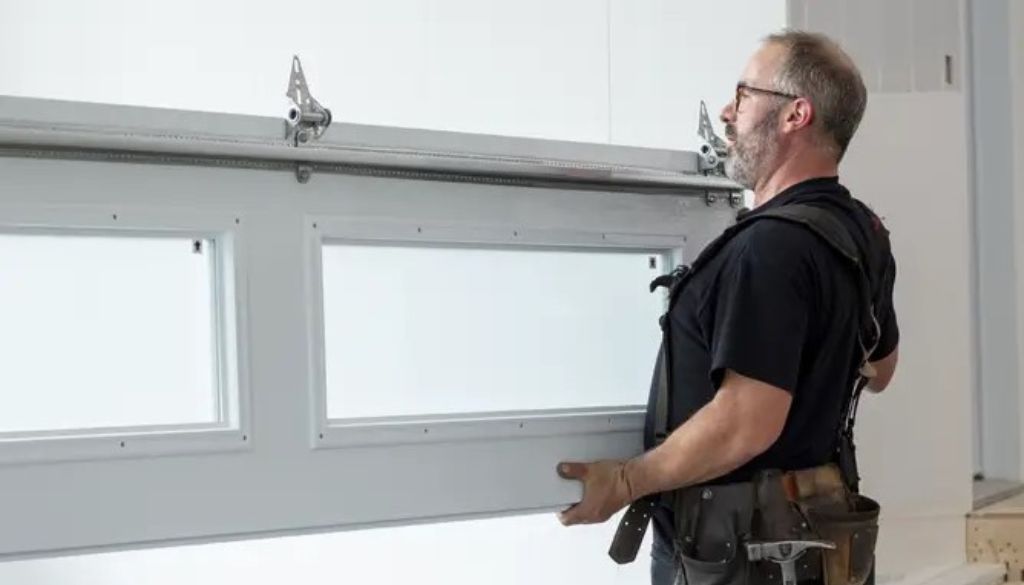
A professional garage door installation should be staged carefully because the work itself involves physical hazards. Installation and repair often require working at ceiling height, handling tools, reaching into cramped areas, and taking awkward postures around heavy components. Those conditions are one reason experienced crews do not rush the mechanical setup. Safe finished operation begins with safe, controlled work during installation.
The pre-replacement inspection that prevents bad decisions
Before ordering a replacement door, it is worth spending time on a structured garage door inspection. This does not have to be dramatic. It means looking at the whole system with safety and automatic operation in mind.
The best inspections I have seen are not hurried walk-throughs. The technician watches the door move, listens to it, checks the opener response, looks at the garage door tracks, examines visible cables and rollers, and confirms whether the sensor system is installed and functional. The goal is not to create a scare list. The goal is to decide what needs replacement, what can remain, and what must be adjusted before the door is trusted for daily automatic use.
A homeowner can also learn a lot by observing the door. Does it hesitate? Does one side seem to lead the other? Do the rollers chatter in the tracks? Does the opener sound strained? Does the door reverse unexpectedly, or does it fail to reverse when tested according to the owner’s manual? These observations do not replace professional judgment, especially around springs and tensioned components, but they help describe the problem accurately.
A simple planning check can keep the conversation focused:
That short list is not meant to replace the owner’s Gold Coast garage services manual or a professional evaluation. It is a planning filter. If any item raises a concern, the replacement project needs to address it before normal use resumes.
Replacing the door while keeping the opener
One of the most common budget questions is whether the existing garage door opener can stay. The answer depends on condition, compatibility, and safety performance. The opener must have proper entrapment protection, and it must reverse when it should. If it does not, it should be adjusted according to the owner’s manual or inspected by a professional.
Keeping an opener may be reasonable when it is functioning correctly, the safety sensors or equivalent system are present and working, and the opener can operate the replacement door safely after installation. But this decision should not be made by age alone or by whether the remote still works from the driveway. A remote signal only tells you the opener receives commands. It does not tell you whether the door reverses properly, whether the sensors are aligned, or whether the door itself is balanced.
A common mistake is to spend heavily on new door panels and postpone opener evaluation. That can leave the homeowner with a fresh-looking door connected to a questionable operating system. If the old opener has a known issue with reversal, or if the safety system is missing or unreliable, the replacement plan should include correcting that problem. Non-reversing garage door openers are a recognized hazard. Treating that as a minor inconvenience underestimates the risk.
There is also a practical service issue. When a new door is installed, the opener may need adjustment so the system works as intended. A door that is slightly different in movement characteristics can expose an opener that was marginal before. This is why the final test matters. The job is not finished when the door opens and closes once. The safety reversal system and sensors need to be verified.
Sensors deserve more attention than they usually get
Garage door sensors are small, so they are easy to ignore. They sit low, collect dust, get bumped by storage bins, and may be nudged out of alignment when someone sweeps the garage or moves a bicycle. Yet they are central to safe automatic operation.
During replacement, sensor placement and function should be checked carefully. A sensor that is physically present but not properly working does not satisfy the purpose of entrapment protection. The homeowner should know where the sensors are, what normal operation looks like, and what to do if the door refuses to close because the sensor path is blocked or the units are misaligned.
This is a point where garage door troubleshooting often becomes frustrating. Someone presses the wall button, the door starts down, then reverses or will not close. The temptation is to override, bypass, or tape something in place. That is the wrong mindset. A refusal to close can be inconvenient, especially in bad weather or late at night, but the safety system is there because a closing door can cause harm. The right response is to identify and correct the problem, not defeat the protection.
Children also need clear rules. Safety guidance says children should be taught garage-door safety and remote controls should be kept out of their reach. That advice belongs in a replacement discussion because a new automatic door can feel like a novelty. Children may want to race under it, press the remote, or watch it move. The safest household habit is boring and consistent: the garage door is not a toy, no one plays near it, and no one tries to beat it while it is moving.
Mechanical parts that influence safe automatic movement
The opener gets the attention because it makes noise and has the remote, but the door’s mechanical parts determine how predictable the system is. Garage door rollers should guide the door through the tracks without erratic movement. Garage door tracks should support a consistent path. Garage door cables should be evaluated because they are part of the lifting system. Springs provide the counterbalance that allows the door to move with control.
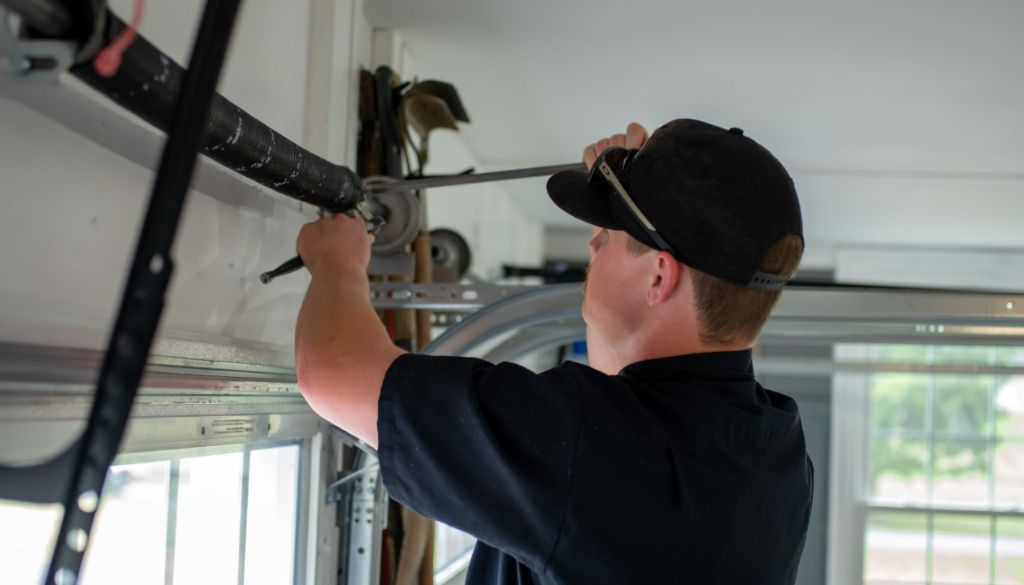
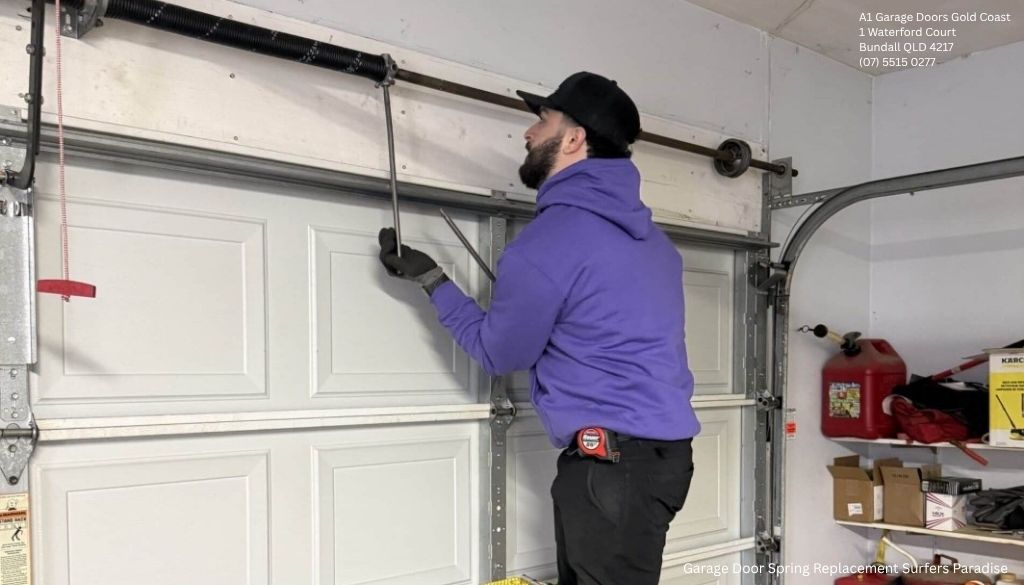
Torsion springs, when present, are mounted and tensioned as part of the system design. They are not parts for casual adjustment by an untrained person. The same caution applies broadly to spring and cable work. These components can be under significant tension, and installation or repair work often takes place overhead or in cramped spaces. The hazards are physical, not theoretical. A careful replacement plan respects that reality.
Garage door lubrication is another maintenance item that often gets oversold or misunderstood. Lubrication can support smoother movement when applied as appropriate for the specific hardware and manufacturer guidance, but it is not a cure for poor balance, damaged tracks, faulty sensors, or a failing reversal system. If a door needs repeated lubrication just to move acceptably, the underlying condition deserves inspection.
I have seen homeowners describe a door as “just noisy” when the real issue was irregular movement. Noise can be a clue, but it should not be the only measure. A safer standard is controlled operation. The door should travel without obvious binding, the opener should not appear to fight the door, and safety features should respond correctly. If those conditions are not met, garage door repair may be necessary before or during replacement.
The monthly test that should survive the installation day
A replacement project can create a false sense of finality. The invoice is paid, the door looks good, the remote works, and the homeowner moves on. Safety guidance points in a different direction: the safety reversal system should be tested monthly. That means safe operation is not a one-day achievement. It is a continuing habit.
The owner’s manual matters here. The exact testing and adjustment instructions should come from the equipment manufacturer. If the door fails to reverse, the response should not be guesswork. The guidance is to adjust according to the owner’s manual or have the system inspected by a professional.
This monthly habit is especially important in busy garages. Storage shifts. Sports equipment leans against walls. Children leave toys near the opening. Dust builds up. A sensor gets bumped. None of these changes may be obvious from the driveway, but they can affect operation. A door that passed its final installation test still deserves regular checking.
A homeowner does not need to become a technician to be a responsible owner. The homeowner needs to recognize when the door is not behaving correctly and stop using automatic operation until the issue is addressed. If the door fails a safety test, it is not being picky. It is warning you that the system may not protect against an obstruction.
When repair is not enough
Garage door repair can be the right choice when a specific fault can be corrected and the overall system remains suitable for safe automatic operation. A sensor can be aligned, an opener can sometimes be adjusted, hardware can be serviced, and maintenance can resolve minor issues. But repair has limits.
Garage door replacement deserves serious consideration when the inspection shows that multiple parts are worn, the door movement is inconsistent, or the system has become a chain of repeated fixes. The decision is not only financial. A system that needs frequent attention may create more opportunities for unsafe operation, especially if household members grow used to forcing, bypassing, or ignoring problems.
There is also a compatibility question. If a door is replaced but the opener and safety equipment cannot be made to operate safely with it, the project is incomplete. If the opener lacks required entrapment protection, or if the safety reversal function cannot be made reliable, replacement planning should include the opener side of the system as well.
The cleanest projects are usually the ones where the homeowner and installer agree on the safety standard before work begins. The door must move properly. The opener must reverse properly. The sensors or equivalent system must work. The household must understand basic garage door safety. Everything else, including appearance and convenience, comes after that.
Planning the installation day around real hazards
Garage door installation looks straightforward from a distance, but the work combines weight, height, tools, tensioned components, and limited working room. That combination deserves respect. Crews may need to work near the ceiling, in corners, beside stored items, and around vehicles or shelving. Awkward posture and tool handling are part of the risk.
Homeowners can help by clearing the work area before the crew arrives. This is not just courtesy. A cluttered garage can force installers into poor positions and make it harder to stage parts safely. The installer should have room to move, lift, check tracks, access the opener, and test the door without stepping over boxes or squeezing past bicycles.
During the work, children and pets should stay away from the garage. Remote controls should not be used casually. If the opener is disconnected or the door is partly installed, the system may not behave the way the household expects. A disciplined work area lowers the chance of mistakes.
After installation, the final walkthrough should focus on operation before appearance. The homeowner should see the door open and close, observe the sensor locations, and understand how the safety reversal system is tested according to the owner’s manual. If anything seems unclear, that is the time to ask. A good handoff is part of the installation, not an afterthought.
A practical replacement decision framework
Every garage is different, but the safest planning conversations tend to cover the same ground. The homeowner wants a door that fits the opening and looks right. The professional wants a system that can be installed and operated safely. Those goals can work together when the project is organized around risk rather than cosmetics alone.
| Planning area | What to verify | Why it matters | |---|---|---| | Entrapment protection | Photoelectric sensors or an equivalent safety system are present and working | Residential automatic openers must include this protection | | Reversal performance | The door reverses when it should during testing | Non-reversing openers are a recognized hazard | | Mechanical movement | Balance, tracks, rollers, cables, and springs are evaluated | The opener depends on predictable door movement | | Household use | Children understand safety rules and remotes stay out of reach | Safe equipment still needs safe habits | | Ongoing maintenance | Monthly testing becomes routine | Safety performance can change over time |
This framework also helps control cost decisions. If budget pressure forces choices, safety-critical items should not be the place to gamble. A more modest door with properly functioning protection is a better outcome than an attractive installation that carries forward unresolved hazards.
What safer ownership looks like after replacement
Once the new system is in service, safer ownership becomes a pattern. The door is watched when it moves. Children are not allowed to play with the remote. Sensor problems are treated as safety issues, not annoyances. The reversal system is tested monthly. Strange movement or repeated trouble leads to garage door troubleshooting or professional inspection rather than improvised fixes.
Garage door maintenance should be steady and realistic. It includes attention to visible condition, movement, balance concerns, opener behavior, sensor operation, and the need for appropriate garage door lubrication where the equipment calls for it. It does not mean homeowners should take on hazardous spring or cable work. Some tasks belong to trained professionals because the parts, positions, and forces involved can be dangerous.
A replacement door should make daily life easier, but it should also make the garage safer. That only happens when the automatic operating system is treated as a complete assembly. The opener, sensors, springs, rollers, cables, tracks, and door panels all have roles. The family’s habits have a role too.
The best garage door replacement plans are not built around the question, “Will it close?” They are built around the better question, “Will it close safely, reverse when it should, and keep doing that month after month?” If the project answers yes with tested equipment, sound installation, and clear household rules, the new door is more than an upgrade. It is a safer entrance to the home.