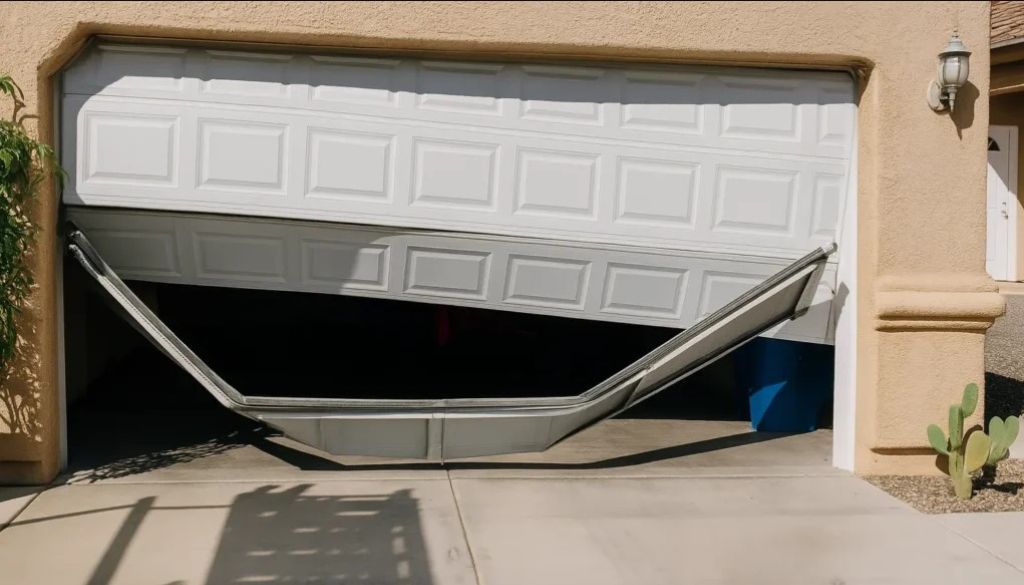
Garage Door Tracks Maintenance Guide for Safer Movement
A garage door track does not look complicated at first glance. It is a formed metal path that guides the rollers as the door opens and closes. Yet when a door begins to bind, shake, hesitate, or reverse unexpectedly, the track is often one of the first places an experienced technician studies closely. The tracks do not lift the full weight of the door, and they are not the same thing as garage door springs or torsion springs, but they shape the movement of the door every time it runs. If that movement becomes strained, the rest of the system feels it.
Good garage door maintenance is not about making a door look perfect. It is about keeping a heavy moving assembly predictable. A residential garage door can seem harmless because it is familiar, but automatic garage doors have been involved in serious entrapment incidents. That is why residential garage door openers in the United States are covered by a mandatory federal safety standard requiring entrapment protection, such as photoelectric garage door sensors or an equivalent safety system. Track condition, roller movement, opener response, and sensor function all belong in the same safety conversation.
The practical goal is simple: the door should travel smoothly, stay aligned in its tracks, respond correctly to the garage door opener, and reverse when it should. Tracks that are neglected can contribute to rough operation, false troubleshooting trails, unnecessary wear, and unsafe behavior. Tracks that are inspected regularly give you a better chance of catching problems before they turn into a stuck door, a damaged panel, or a service call that could have been avoided.
Why garage door tracks deserve more attention than they get
Most homeowners notice the garage door opener first. If the door stalls, they blame the motor. If it reverses, they suspect the sensors. If it shakes, they think the whole door is failing. Sometimes those instincts are right, but the tracks and garage door rollers are the physical guide system. They determine whether the door has a clear, consistent path.
A track problem rarely announces itself all at once. It often begins with a scrape on one side, a roller that no longer glides cleanly, or a slight hesitation at the same point in travel. A homeowner may press the wall button again and again, thinking the opener is weak. In practice, repeated operation can make a bad condition worse. If the door is binding, forcing the system asks the opener, cables, rollers, and springs to work against resistance they were not meant to fight.
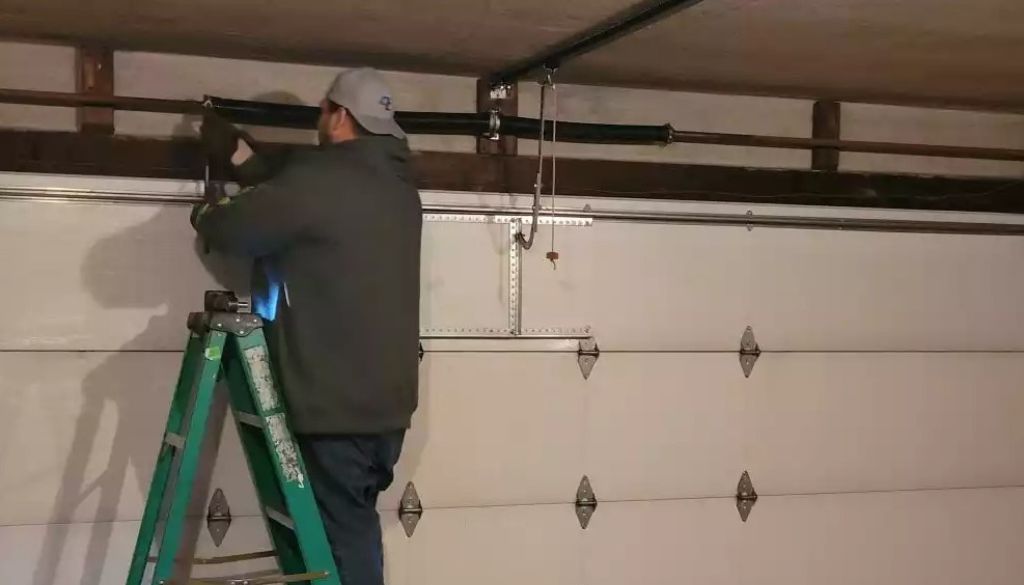
Professional garage door repair often starts with watching the door move, not touching anything. The sound, speed, and symmetry tell a story. A door that rises evenly and quietly is different from one that chatters along the vertical tracks or lurches near the curved sections. A technician learns to listen for metal contact where there should be rolling movement. Homeowners can use the same observation skill, as long as they respect the risks and avoid working on components that are under spring tension.
The track system also interacts with garage door safety features. A door that closes unevenly or struggles near the floor may trigger the opener’s reversing function. That reversal is a critical safety feature, not an annoyance to defeat. A properly functioning opener should reverse when closing onto an obstruction. If a door fails to reverse during a safety test, the next step is not to keep using it as usual. It should be adjusted according to the owner’s manual or inspected by a professional.
The track’s job in the larger door system
Garage door tracks are part of a coordinated assembly. The opener starts and stops automatic movement. The springs counterbalance the door. Garage door cables help carry the lifting force. Rollers ride inside the tracks. Sensors monitor the opening near the floor. The tracks provide the route.
That distinction matters because a track problem can be misdiagnosed as almost anything else. If the door is hard to move, the cause might be poor garage door balance, a roller issue, track interference, or a spring-related problem. If the opener strains, the opener may be reacting to resistance rather than causing it. If the door reverses while closing, the photoelectric sensors may be interrupted, but the door may also be encountering mechanical trouble during travel.
A useful garage door inspection professional garage door services Gold Coast separates the door’s guidance system from the lifting system and the safety system. You look at whether rollers remain seated, whether the tracks appear securely positioned, whether the door moves without scraping, and whether the opener reverses properly during testing. You do not treat the tracks as isolated metal rails. They are one part of a system designed to move a large door safely.
This is where judgment matters. Not every noisy door needs garage door replacement. Not every hesitation means the opener has failed. Not every track mark is an emergency. But a track that appears bent, loose, displaced, or damaged should not be ignored, especially if the door is moving unpredictably. Track alignment affects the door’s path, and the door’s path affects safety.
What a normal movement pattern should look and sound like
A well-behaved garage door has a steady rhythm. It starts smoothly, travels without sudden side-to-side movement, and reaches the fully open or fully closed position without banging into place. The rollers should appear to follow the tracks, not climb, twist, or drag. When the door changes direction from vertical travel into the overhead section, the movement should remain controlled.
No residential door is silent. Even with good garage door lubrication, you may hear the opener, hinges, rollers, and panel movement. The concern is not ordinary mechanical sound. The concern is a change. A scrape that appears after years of quiet operation deserves attention. A clunk that happens at the same track location every cycle is information. A door that shudders while the opener rail vibrates may be telling you that something in the movement path is resisting.
I have seen homeowners describe a door as “just loud” when the more important symptom was consistency. If it makes one sharp noise every time the second roller reaches the curve, that is not random noise. It is a pattern. Patterns are valuable in garage door troubleshooting because they narrow the search. The track may have damage, the roller may be worn, or hardware may have shifted. The right response is to stop guessing and inspect carefully.
A normal movement pattern also includes correct safety response. The garage door opener should not simply power through an obstruction. Safety reversal systems should be tested monthly. That monthly habit matters because a safety device that worked last year cannot be assumed to work today. Dust, alignment issues, damage, improper adjustment, or mechanical resistance can change how a door behaves.
A practical monthly track and safety check
A monthly check does not need to be dramatic. The best inspections are calm and repeatable. Choose a time when the garage is well lit and the doorway is clear. Keep children away from the area, and keep remote controls out of their reach. Children should be taught garage-door safety because the door is not a toy, and the controls should not be treated like one.
Use the opener to run the door through a full cycle while you stand clear of the opening. Watch both sides. Look for uneven travel, rubbing, wobbling rollers, or movement that seems to pause in the same spot. Then inspect the visible tracks with the door stopped. You are looking for obvious problems, not trying to perform a full garage door installation or major repair.
A concise monthly routine can look like this:
That list is short by design. A homeowner does not need to dismantle anything to learn a great deal. Visual inspection and behavior testing catch many early warning signs. The moment the inspection moves toward cables, springs, torsion springs, or significant track adjustment, the risk level changes. Those are not casual homeowner tasks.
Cleaning the tracks without creating new problems
Tracks collect dust, grit, cobwebs, leaves, and sometimes hardened debris carried in from vehicle tires or wind. Cleaning is one of the simplest parts of garage door maintenance, but it should be done with restraint. The goal is to remove material that interferes with roller travel. The goal is not to coat the inside of the track until it becomes a sticky trough.
Before cleaning, stop the door in a position that gives you safe visibility, and avoid placing fingers where rollers travel. Wipe the accessible inside surfaces of the tracks with a dry or lightly damp cloth. If dirt has built up at the lower track area, clear it away so rollers and brackets are not dragging through debris. Work only where you can stand securely. The physical hazards of repair work at ceiling height, in cramped spaces, and with awkward postures are real. Even a simple inspection becomes more dangerous if you are leaning from a poor position or reaching above your balance point.
A common mistake is treating the track like a bearing surface that needs heavy grease. Rollers are meant to roll, not slide through thick lubricant. Excess product inside the track can attract grit and create the very drag the homeowner hoped to solve. Garage door lubrication has its place, but it should follow the door or opener manufacturer’s guidance. If you are unsure, use the owner’s manual as the authority. More lubricant is not automatically better.
Cleaning also gives you a chance to notice damage. A shiny scrape line on one side, a dented section, or a gap that has changed shape may explain noise or binding. Do not pound on the track with a hammer or pry it back into place as a guess. The track position relates to roller fit, panel movement, and the door’s overall alignment. A rough field adjustment can make the door worse.
When lubrication helps, and when it hides the real issue
Garage door lubrication is one of the most misunderstood maintenance topics. Used properly, it can reduce noise and help moving parts operate more freely. Used carelessly, it can mask symptoms for a few weeks while the underlying problem grows.
If a roller is not traveling correctly because the track is damaged, lubrication will not restore proper geometry. If the door is out of balance, lubrication will not correct spring tension. If the opener is reversing because the safety system detects a problem, lubrication should not be used as a workaround. The key is to identify whether the sound comes from ordinary friction in moving hardware or from misalignment, impact, or binding.
The owner’s manual is the best reference because door and opener designs differ. Some rollers, hinges, and bearings may have specific lubrication recommendations. Tracks often need cleaning more than coating. When a service technician lubricates a door, the work is usually paired with inspection. The point is not merely to quiet the door. It is to verify that the quieter door is also moving correctly.
There is also a safety angle. A noisy door at least tells you something. A heavily lubricated but poorly aligned door may sound better while still putting extra load on the opener or stressing hardware. Quiet is pleasant, but smooth, balanced, predictable movement is the real standard.
Track alignment symptoms homeowners should not ignore
A track problem can show up in several ways. The door may rub one side of the opening. A roller may appear angled instead of centered in the track. The door may reverse near the same spot during closing. The opener may strain or stop. The bottom section may not meet the floor evenly. Some of these symptoms may have causes outside the tracks, but all justify closer attention.
One useful observation is whether the symptom repeats. If the door hesitates every time a particular roller reaches a particular area, the issue may be local to that path. If the door feels heavy throughout its travel, garage door balance or spring condition may be more suspect. If the door refuses to close and the opener lights or controls indicate a sensor issue, the garage door sensors deserve attention. Troubleshooting works best when you avoid jumping to a single conclusion.
Homeowners sometimes ask whether they can loosen and shift a track themselves. The honest answer depends on the situation, but caution is appropriate. Tracks are part of the door’s support and guidance structure. Poor adjustment can cause rollers to bind or come out of position. If the door is already crooked, jammed, or under visible stress, adjustment should be handled by a professional. The presence of garage door cables, springs, and heavy panels makes this different from adjusting a cabinet door.
A minor visual check is reasonable. A forceful correction is another matter. If you feel tempted to lift the door by hand while adjusting hardware, or to loosen multiple brackets because “it looks close,” stop. That is the point where professional garage door repair is the safer option.
The opener is not a substitute for smooth tracks
A garage door opener is designed to move a properly functioning door, not to overcome a failing one. When tracks are dirty, damaged, or misaligned, the opener may still manage for a while. That temporary success can mislead homeowners. The motor pulls, the door moves, and the problem seems tolerable. Then one cold morning or busy evening, the door sticks halfway and the opener stops.
The opener’s safety functions are not defects. If the door reverses when closing onto an obstruction, that is proper behavior. Federal safety requirements for residential automatic openers exist because entrapment is a serious hazard. A non-reversing opener is not something to live with until the next renovation. It is a safety problem that needs attention.
Monthly testing is the minimum habit many owners skip. The test should follow the owner’s manual because openers vary. If the door fails the test, the response should be careful adjustment per the manual or professional inspection. Do not disable sensors to “get the door closed.” Do not tape sensors into a false position. Do not increase force settings simply to overpower a door that is binding in the tracks. Those shortcuts reduce safety margins.
The relationship between opener and track also matters after garage door installation. A new opener on an old, rough door will not solve poor mechanical movement. A properly installed opener should be paired with a door that travels freely, has working sensors, and reverses correctly. If an installer or technician spends time checking the door before focusing on the motor, that is not upselling. It is basic professional practice.
Rollers, cables, and springs: where track maintenance crosses into professional work
Garage door rollers live inside the track, so they are part of any track discussion. A damaged roller can make a good track sound bad. A bad track can damage rollers. If a roller wobbles, drags, or appears to bind, the door may not track cleanly. Some roller-related maintenance is simple to observe, but replacement can involve hardware and door positions that are unsafe for casual handling.
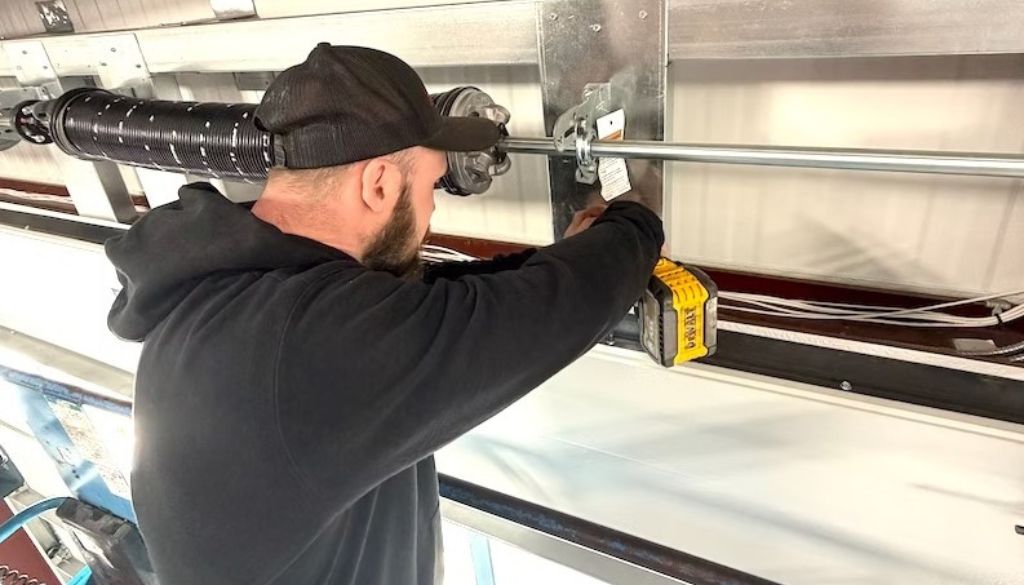
Garage door cables are another boundary. Cables work with the lifting system and can be under significant tension. If a cable appears frayed, loose, displaced, or wrapped incorrectly, do not treat it as a track-cleaning issue. The same caution applies to garage door springs and torsion springs. Springs counterbalance the door, and spring-related work should be left to trained professionals. A door that is not properly balanced can put extra strain on the opener and can behave unpredictably during manual movement.
Garage door balance is one of the clearest examples of how systems overlap. A door can have clean tracks and still move poorly if the balance is wrong. It can have a strong opener and still be unsafe if the spring system is failing. It can have new rollers and still reverse if the sensors are blocked or the track is misaligned. Professional troubleshooting looks at the whole assembly because the symptom at the track may originate elsewhere.
Here is a useful dividing line for homeowners:
That boundary keeps routine maintenance in homeowner territory and higher-risk work in professional hands.
Safety habits around the doorway
Garage door safety is partly mechanical and partly behavioral. A perfect track system does not make it safe for children to run under a moving door. A working opener does not justify leaving remote controls where young children can play with them. A sensor system does not replace supervision.
Teach children that the garage door is moving equipment. They should not stand, sit, or play near the opening while the door operates. They should not race under a closing door. Remote controls and wall controls should be treated like other household devices with safety consequences, not like toys. These habits sound basic, but they matter because automatic doors are familiar enough to be underestimated.
Adults need habits too. If the door starts acting strangely, do not keep cycling it repeatedly to see whether it “clears itself.” If the door reverses, look for an obstruction and check the sensors. If it binds, stop and inspect from a safe distance. If a safety feature fails, do not use the door as though nothing changed. A garage door is at its safest when people respect both the machine and the warning signs.
Physical work around the door also deserves care. Installation and repair tasks often place people at ceiling height, in tight spaces, with tools, awkward reaches, and limited footing. Even experienced technicians stage their work because the environment creates hazards. A homeowner standing on a ladder with one hand on a track and the other on a wrench is in a poor position to respond if the door shifts. The safer choice is often to step back.
Track maintenance after storms, impacts, and renovations
Some track problems appear after a specific event. A vehicle bumper taps the lower track. Storage items fall against the vertical rail. A renovation crew moves materials through the garage and bumps hardware. A storm blows debris into the opening. After any event like that, it is worth watching the door closely before returning to normal use.
The lower sections of track are especially vulnerable because they sit where people store tools, bins, bicycles, and lawn equipment. A slight bend may not stop the door immediately, but it can alter roller movement. If a roller starts rubbing at the damaged spot, the door may begin to shake or drag. The earlier you catch that condition, the less likely you are to create secondary damage.
Renovations add another issue: opener and sensor interference. If shelving, trim, stored materials, or temporary construction items block the photoelectric sensors, the opener may refuse to close or may reverse. That behavior is expected when the system detects a problem at the opening. Before assuming the opener has failed, check whether the sensor path is clear and whether the sensors remain properly positioned.
Garage door replacement and garage door installation projects should include careful track setup and safety verification. A new door should not merely fit the opening. It should travel correctly, work with the opener, and pass safety checks. If you are replacing an old door and keeping an existing opener, the safety system still matters. Residential automatic openers require entrapment protection, such as photoelectric sensors or an equivalent system, and a non-reversing opener is a recognized hazard.
How professionals approach track-related troubleshooting
A professional does not usually start by declaring, “It is the tracks,” after one glance. Good troubleshooting begins with movement. The technician watches the door operate if it is safe to do so, listens for the location and timing of noise, checks the visible path, and considers the opener response. If the door is unsafe to run, the inspection changes. Safety comes first.
The technician then separates symptoms. Is the door binding mechanically, or is the opener stopping because of a safety input? Are the rollers tracking properly, or are they being pulled out of position by another issue? Does the door appear balanced, or is the opener compensating for a heavier-than-normal load? Are the sensors present and working? Has a cable problem shifted the door’s path?
This layered approach prevents unnecessary parts replacement. Replacing an opener will not fix a bent track. Replacing rollers will not fix a failed reversal system. Cleaning the tracks will not fix a door that is out of balance. The best garage door repair is not the most dramatic repair. It is the repair that addresses the actual cause.
Homeowners can borrow this mindset. Avoid guessing. Observe, isolate, and respect limits. If the evidence points to simple debris, clean it. If the evidence points to safety reversal failure, follow the manual or call for service. If the evidence points to spring, cable, balance, or severe track trouble, do not turn it into a weekend experiment.
When repair is sensible and when replacement enters the conversation
Garage door replacement is not the first answer to every track issue. Many track-related problems are local, especially if they involve debris, minor obstruction, or a single damaged component. At the same time, replacement becomes part of the discussion when the door system has broader problems, repeated failures, damaged sections, poor safety performance, or an opener that does not meet modern safety expectations.
The decision should be based on condition and risk, not frustration alone. A door that reverses because the sensors are blocked may need nothing more than clearing and proper testing. A door that repeatedly binds because the track is damaged may need professional adjustment or part replacement. A door with non-working safety reversal should not be normalized. If adjustment according to the owner’s manual does not correct it, professional inspection is warranted.
Age alone is not the only factor. A well-maintained older door with working safety features may remain serviceable. A newer door that has been hit, forced, or poorly installed may need significant correction. The most important questions are practical: Does it move safely? Does it reverse when required? Are the sensors installed and functioning? Are the tracks guiding the rollers without binding? Is the door balanced well enough that the opener is not masking a mechanical problem?
A reputable technician should be able to explain the difference between required safety repair, recommended maintenance, and optional upgrade. That distinction matters. Homeowners deserve clear guidance, especially when a door is still operating but showing early signs of trouble.
A safer door starts with predictable movement
Garage door tracks are easy to overlook because they do not have a motor, a remote, or the visible drama of a broken spring. Their importance shows up in the quality of movement. Smooth tracks and properly rolling hardware help the door travel as designed. Clean sensor paths and functioning reversal systems help prevent entrapment hazards. Monthly checks keep small changes from becoming surprises.
The most useful maintenance habit is attention. Watch the door. Listen to it. Test the safety reversal system monthly. Keep children and remote controls separated. Clean debris from the tracks without over-lubricating. Treat springs, cables, severe alignment issues, and non-reversing openers as professional work.
A garage door is safest when every part does its own job. The opener controls motion, the sensors help guard the opening, the springs counterbalance the weight, the rollers carry movement through the path, and the tracks guide that movement. When the tracks are clean, sound, and properly aligned, the whole system has a better chance of moving the way it should: steadily, predictably, and safely.