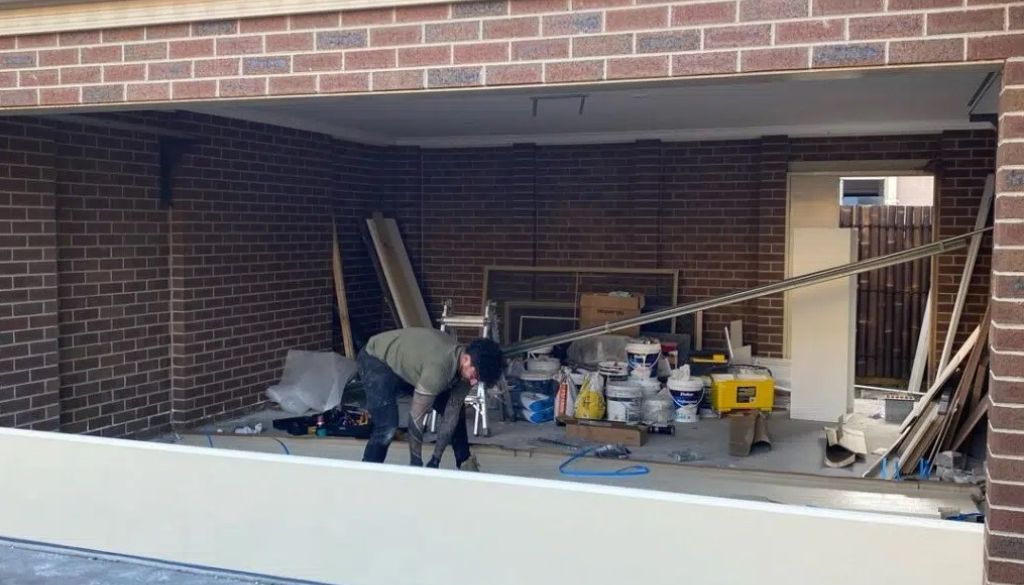
How to Approach Garage Door Repair Safely
A garage door is one of the few moving systems in a home that combines weight, height, electricity, stored mechanical force, daily family traffic, and a habit of being ignored until something goes wrong. That combination is why garage door repair deserves a slower, more disciplined approach than many homeowners first expect.
I have seen people treat a sticking door like a swollen interior closet door, something to tug, bump, or “help along.” That instinct is understandable, but it is the wrong mindset. A garage door is not just a panel on hinges. It is a system made up of the door itself, the garage door opener, garage door springs, rollers, cables, tracks, sensors, controls, and mounting hardware. When one part misbehaves, another part may be carrying extra strain. When a door fails to reverse, binds in the tracks, or moves unevenly, the problem is not only inconvenience. It can become a garage door safety issue.
The safest approach to garage door repair starts before anyone picks up a tool. It starts with deciding what kind of problem you are looking at, what you can inspect without risk, and where the line sits between ordinary garage door maintenance and work that should be handled by a trained professional.
Start with the safety system, not the noisy part
Most homeowners notice the symptom first: the opener hums, the door stops halfway, the rollers squeal, or the remote seems unreliable. Those symptoms matter, but the safety system deserves attention before troubleshooting goes any further.
Automatic residential garage door openers in the United States are covered by a mandatory federal safety standard. They must include entrapment protection, such as photoelectric “electric eye” garage door sensors or an equivalent safety system. This requirement exists because a closing garage door can trap a person, child, pet, or object if the door does not reverse properly.
That is not a theoretical concern. Safety authorities have documented fatal entrapment incidents involving automatic garage doors. This is why a non-reversing garage door opener should never be treated as a minor nuisance. If the opener closes onto an obstruction and keeps pushing, the repair conversation changes immediately. The door should be adjusted according to the owner’s manual or inspected by a professional.
Monthly testing of the safety reversal system is a practical habit, not a ceremonial one. It is also one of the few garage door inspection tasks that directly tells you whether the automatic opener is responding the way it should. A properly functioning opener should reverse when the door closes onto an obstruction. If it does not, continuing to use it as usual is a poor trade-off. Saving a service call is not worth normalizing a failed safety feature.
The photoelectric sensors deserve the same respect. They are usually positioned low near the sides of the door opening, where they can detect an obstruction across the path of a closing door. If they are missing, damaged, misaligned, blocked, or not working, the opener may not provide the protection the system is supposed to provide. Some doors will refuse to close from the wall control or remote when the sensors are interrupted. Others may behave in ways that tempt people to override or “work around” the problem. That is exactly where unsafe habits begin.
The first decision: inspect, adjust, or stop
Safe garage door troubleshooting is less about bravery and more about boundaries. There are things a careful homeowner can observe. There are some maintenance items that may be routine if the owner’s manual permits them. There are also repairs where the risk is not obvious until something releases, shifts, or falls.
The physical setting matters. Garage door repair often happens at ceiling height, in cramped spaces, around tracks and hardware, with hand tools, overhead components, and awkward posture. Those are recognized hazards in installation and repair work. Even when the technical repair seems simple, the work environment can add risk. Standing on a ladder while reaching around a door track is different from tightening a cabinet handle at waist height.
Before touching anything, look at the whole system while the door is still and while you are standing clear of its path. Watch from inside the garage if the door can be operated safely. Listen for changes in sound. Notice whether the door hesitates at the same point each time, whether one side appears to move differently from the other, and whether the opener strains. These observations can help a professional later, and they can prevent random adjustments that make the problem harder to diagnose.
A safe first pass can include the following checks, provided you do not place yourself under a moving door or put hands near moving parts:
That list is intentionally short. It is not a complete repair procedure, and it should not become one. The point is to separate visible inspection from mechanical intervention. A garage door can look simple from the outside, but several components work under load. Guesswork is not a repair method.
Why non-reversing openers are treated seriously
A garage door opener is often mistaken for the muscle of the system. In reality, the opener is only one part of the system. Its job is to move the door through a controlled cycle, not to overpower mechanical problems. When the opener has to force a door that is binding, out of balance, or obstructed, the system is already in an unsafe condition.
The most important safety behavior of an automatic opener is reversal. When closing onto an obstruction, the door should reverse. Safety guidance has repeatedly warned that non-reversing garage door openers are hazardous. The correct response is not to increase force until the door closes anyway. It is to adjust the system according to the owner’s manual or have it inspected by a professional.
This distinction matters because homeowners sometimes interpret a door that “almost closes” as a convenience problem. They hold the wall button, press the remote again, or clear the sensor line without checking why the door reversed in the first place. Sometimes a sensor is doing exactly what it should do. Sometimes it is warning you that something is in the path or that the sensor system itself needs attention. Either way, overriding the symptom can train the household to ignore the safety layer.
Children add another layer of responsibility. Safety guidance specifically says children should be taught garage door safety garage spring repair and replacement and remote controls should be kept out of their reach. This sounds basic, but it has real consequences. Wall buttons mounted where small children can repeatedly operate the door, loose remotes left in toy areas, and games involving running under a closing door all undermine the purpose of the safety system. A working sensor is important, but it is not a substitute for supervision and rules.
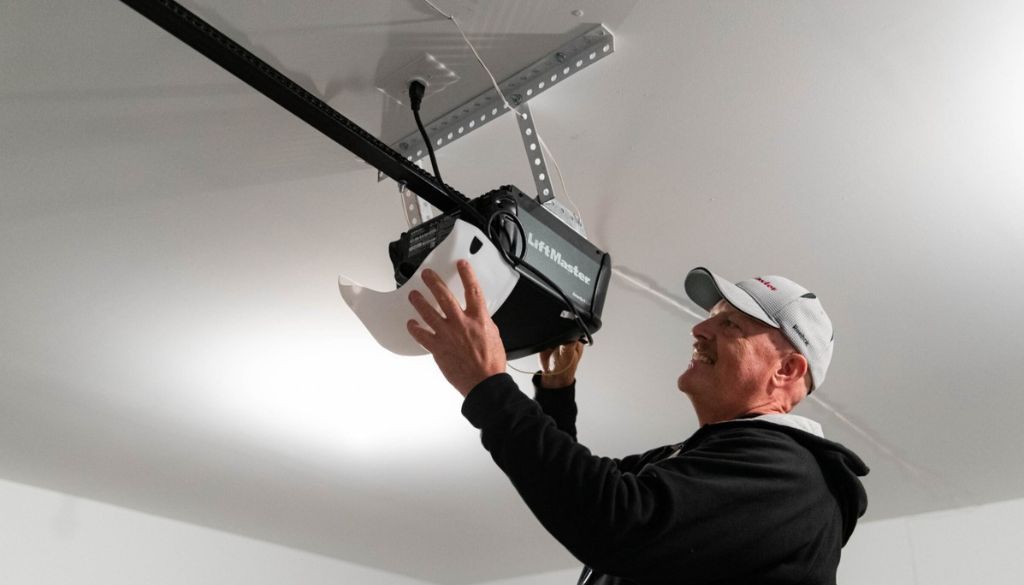
Garage door springs, cables, and the temptation to “just tighten it”
Among all garage door parts, springs and cables tend to attract the most dangerous curiosity. A sagging cable, uneven door, or heavy-feeling door looks like something that might be solved with a wrench and confidence. The safer response is restraint.
Garage door springs, including torsion springs, are part of the system that helps counterbalance the weight of the door. Garage door cables help coordinate the movement of the door with that spring-supported system. When a door seems unusually heavy, crooked, or unwilling to stay in position, the problem may involve garage door balance. Poor balance can cause the opener to work harder than it should, and it can make the door less predictable.
The safest homeowner-level action is observation. Do not loosen brackets, remove cables, or adjust spring hardware casually. If you suspect a spring or cable problem, especially if the door is crooked, slams, will not stay open, or appears to have a broken cable, the practical decision is to stop operating the door and call for professional garage door repair.
This is not a matter of protecting trade secrets. It is a matter of respecting stored force, overhead weight, and the consequences of a part moving suddenly. Professional repair work also faces hazards, especially when performed at height or in tight spaces, which is why careful staging and proper procedure matter. For a homeowner without the right training and equipment, the margin for error is too small.
Garage door balance is often discussed as if it were a quick DIY test, but even testing has to be approached with care and according to the owner’s manual or professional guidance. If the opener is disconnected improperly or the door is not controlled, the door may move in an unexpected way. The better rule is simple: if the door feels wrong, moves unevenly, or seems too heavy for normal operation, do not make the opener compensate for it.
Tracks and rollers: small parts, big consequences
Garage door rollers and garage door tracks do not look dramatic. They are visible, mechanical, and easy to blame for noise. When the door squeaks or chatters, many people reach first for lubricant. Sometimes noise is related to routine garage door lubrication, but noise can also signal misalignment, wear, obstruction, or stress elsewhere in the system.
The tracks guide the door’s path. If they are visibly bent, loose, or obstructed, the door can bind. If rollers are worn or damaged, the door may move unevenly or shake. These problems can affect the opener because the opener is then asked to pull or push through resistance. That can mask the original problem until the door stops, reverses, or damages another component.
A safe inspection of tracks and rollers is visual and deliberate. Stand away from the moving door. Look for anything stored too close to the tracks. Notice whether the tracks appear secure and clear. Listen for grinding, scraping, or repeated clicking in the same area. If a roller appears to be leaving the track, or if the track itself looks distorted, do not run the door repeatedly to “see if it clears.” Repeated operation can turn a repairable problem into a more serious one.
Garage door lubrication belongs in this conversation, but it should not be treated as a cure-all. Lubrication may reduce friction and noise when applied according to the manufacturer’s instructions, but it will not fix a damaged track, faulty sensor, poor balance, or failing spring. Over-lubrication can also create mess and attract grime, depending on the product and location. The owner’s manual should guide what to lubricate, what product to use, and what to avoid.
The trade-off is straightforward. Basic maintenance can extend smooth operation, but lubrication should never be used to silence a warning sign you have not understood. If a sound changes suddenly, if the door jerks, or if the opener struggles, inspect first and operate less, not more.
The opener is not always the problem
When a garage door will not open or close, the opener gets blamed first because it has the motor, lights, remotes, and obvious electronics. Sometimes the opener is involved. Sometimes it is only reacting to another condition.
A garage door opener depends on a door that can travel properly, a safety system that can confirm the path is clear, and settings that match the door’s movement. If the sensors are blocked, the opener may refuse to close. If the door is out of balance, the opener may strain. If the tracks or rollers bind, the opener may stop or reverse. If the safety reversal system is not working, the opener becomes a safety concern rather than just a convenience device.
This is where careful garage door troubleshooting helps. Instead of assuming the remote is bad or the motor is failing, separate the symptom from the system. Does the wall control behave differently from the remote? Do the opener lights indicate a sensor issue according to the owner’s manual? Does the door reverse only near the floor, or does it refuse to begin closing? Does the problem happen every time or only in certain conditions? These observations help narrow the issue without taking unsafe action.
Still, there is a limit to remote diagnosis. Opener adjustments should be made only as described in the owner’s manual. Force and travel settings are not there to defeat resistance. If a setting must be changed repeatedly, or if more force is needed to make the door close, something else may be wrong. A professional inspection is the safer path.
Garage door installation also deserves mention here. A newly installed opener or door should not require improvised workarounds to function safely. The sensors should be installed and working. The reversal system should be tested. The door should move in a controlled way. If a new installation behaves unpredictably, treat it as an installation or setup problem, not as something the household should adapt to.
A practical safety routine for homeowners
Good garage door maintenance is mostly boring, and that is its strength. It is not about dramatic repairs on a Saturday afternoon. It is about short, regular checks that catch obvious problems before someone starts forcing the door.
A monthly safety check is a reasonable rhythm for the reversal system, because safety guidance specifically recommends monthly testing. Tie it to something you already do, such as replacing HVAC filters, testing smoke alarms, or reviewing the household calendar. The easier it is to remember, the more likely it will happen.
The safety routine can stay compact:
A routine like this does not require dismantling anything. It reinforces the most important safety behavior: the door must not keep closing when it should reverse. It also keeps attention on children, controls, and sensors, which are easy to overlook once the door becomes part of daily habit.
The best routines also include documentation, even if it is informal. If the door reversed normally last month and now does not, that change matters. If the same sensor has been bumped three times by storage bins, the garage layout may need adjustment. If the opener requires repeated resets, that pattern may help a technician diagnose the issue more efficiently.
When garage door replacement is safer than repair
Not every garage door problem should be stretched into another repair. Garage door replacement becomes part of the safety discussion when the system no longer performs reliably, when major components are damaged, or when repeated service cannot restore dependable operation. The decision is not only financial. It is about confidence in the entire system.
A door with damaged tracks, questionable hardware, unreliable sensors, or an opener that does not reverse properly should not be evaluated only by the price of the next part. A system is only as safe as its weakest important function. If the door cannot be made to travel smoothly, reverse correctly, and operate without repeated intervention, replacement may be the more responsible option.
That does not mean every noisy door needs replacement. Many problems can be addressed through proper garage door maintenance or targeted garage door repair. Rollers may need attention. Sensors may need alignment. Opener settings may need adjustment under the owner’s manual or by a professional. The judgment call depends on the condition of the whole system and whether repairs restore safe, predictable operation.
Garage door installation quality matters as much as the product selected. A new door or opener does not automatically guarantee safety if it is installed carelessly, if sensors are not working, or if the reversal system is not tested. The same safety habits apply after replacement: test monthly, keep controls away from children, and respond quickly if the door fails to reverse.
Professional help is not a last resort
Many homeowners wait to call a professional until the door is stuck open, stuck closed, or visibly damaged. That delay can create extra risk, especially if people keep operating the door while hoping the problem clears itself. A professional inspection is appropriate much earlier when safety features fail, when movement is uneven, when springs or cables appear involved, or when the repair would require working overhead in cramped conditions.
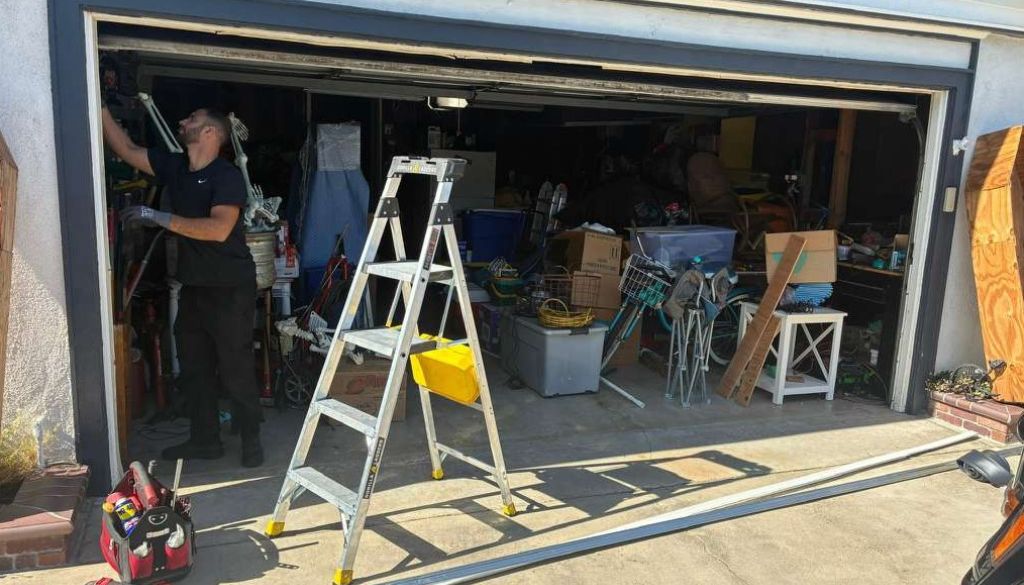
There is a practical reason for this. Garage door repair often combines several hazards at once. A person may be standing on a ladder, reaching above shoulder height, using hand tools, working near tracks, and trying to diagnose a system that can move. Awkward posture and ceiling-height work increase the chance of mistakes even for people who are otherwise handy. The safest repair plan reduces the number of things happening at the same time.
A good service visit should not focus only on making the door move again. It should include safety checks: sensors, reversal, door travel, balance, opener behavior, and visible condition of cables, rollers, and tracks. If the technician adjusts the opener but does not address why the door was resisting, the repair may be incomplete. If the technician repairs a mechanical issue but does not test the safety reversal system, an important part of the job has been missed.
Homeowners can make the visit more productive by describing what they observed rather than what they guessed. “The door reverses about a foot from the floor” is more useful than “the opener is bad.” “The left side seems to lag” is more useful than “the rollers need replacing.” Specific observations save time and reduce the chance of chasing the wrong fault.
Building safer habits around daily use
The safest garage door is not only the one with good parts. It is the one used with consistent habits. Most door cycles happen when people are distracted: leaving for work, unloading groceries, calling children inside, or trying to beat weather. Those are exactly the moments when people step under a moving door, press the remote without looking, or let children treat the garage like a play area.
A few habits make a meaningful difference. Watch the door long enough to know it closed fully and reversed if it needed to. Do not walk, run, or drive under a moving door. Keep the sensor area clear, not just during a test but every day. Do not let children play with wall controls or remotes. If the door behaves differently, resist the urge to force one more cycle.
The garage itself often works against safety. Storage creeps toward the tracks. Bikes lean near sensors. Tools hang close to the door path. Seasonal clutter blocks clear views of the bottom corners. These are ordinary household realities, not character flaws, but they can interfere with sensors and safe movement. A garage door inspection should include the space around the door, not just the door hardware.
Weather, age, and use can change how a system behaves over time. A door that worked smoothly for years can begin to hesitate. An opener that once reversed properly can fall out of adjustment or develop a fault. Sensors can be bumped. Tracks can be affected by impact. The point of maintenance is not to predict every failure. It is to notice change early and respond before unsafe operation becomes routine.
The safest repair mindset
Approaching garage door repair safely means replacing urgency with sequence. First, make sure people and pets are away from the door path. Next, evaluate the safety systems, especially the reversal function and garage door sensors. Then observe the mechanical movement from a safe location. Only after that should any maintenance or adjustment be considered, and only within the limits of the owner’s manual and your own competence.
Some repairs are not worth attempting as a homeowner. Springs, cables, significant track problems, balance issues, and non-reversing openers all deserve caution. The more a repair involves overhead work, stored mechanical force, electrical controls, or a door that may move unpredictably, the stronger the case for professional help.
There is no prize for making a dangerous repair look easy. A well-maintained garage door should open and close smoothly, reverse when it encounters an obstruction, use working entrapment protection, and fit into household habits that keep children away from controls and moving panels. When it does not meet that standard, the safest response is to stop, inspect, and repair deliberately.
Garage door maintenance is not glamorous, but it protects one of the largest moving objects in the home. Treat the system with the respect it deserves, and garage door repair becomes less about emergency improvisation and more about preserving safe, reliable operation.