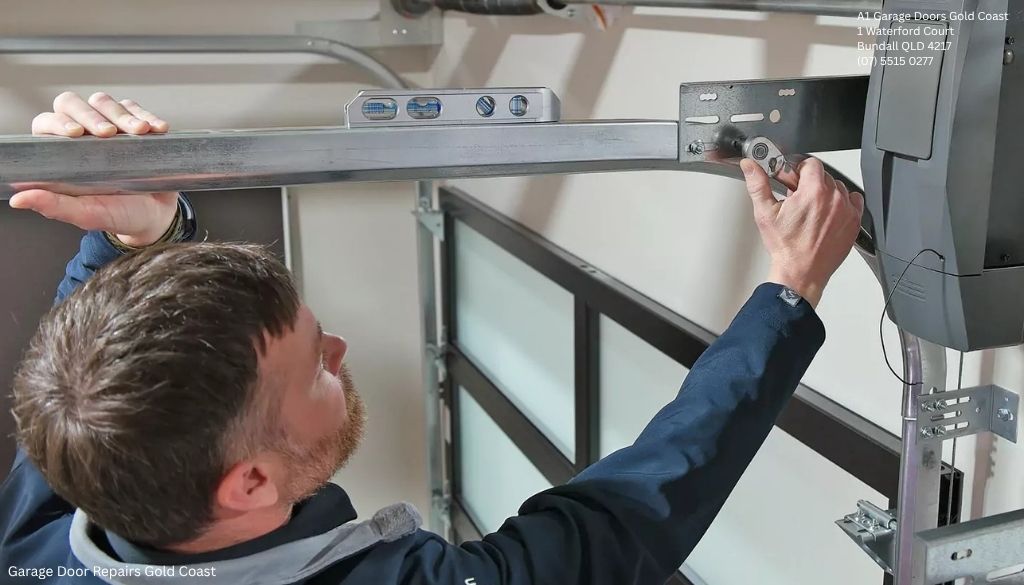
Understanding Force and Travel-Limit Settings on Your Garage Door Opener
Tucked away on most garage door openers are a few adjustment controls that quietly govern how the door behaves: the force settings and the travel limits. Most homeowners never touch them, and that is usually for the best, because these settings are also a safety system. When they drift out of adjustment, the door can fail to close fully, reverse for no clear reason, or, more seriously, close with too much force. Understanding what these settings do helps you recognise when a misadjustment is behind a frustrating fault, and why correct setup matters for safety as much as convenience. Below you'll find what force and travel limits control, the symptoms of incorrect settings, and why they are best adjusted with care.What the Travel Limits Do
The travel limits tell the opener how far to move the door in each direction, that is, exactly where fully open and fully closed are. The opener uses these set points to know when to stop. If the closing limit is set too high, the door stops short and leaves a gap. If it is set too low, the door pushes into the floor, the cables can go slack and unseat from the drums, and the opener may bounce the door back up. Correct limits put the door exactly where it should be at each end of travel.
What the Force Settings Do
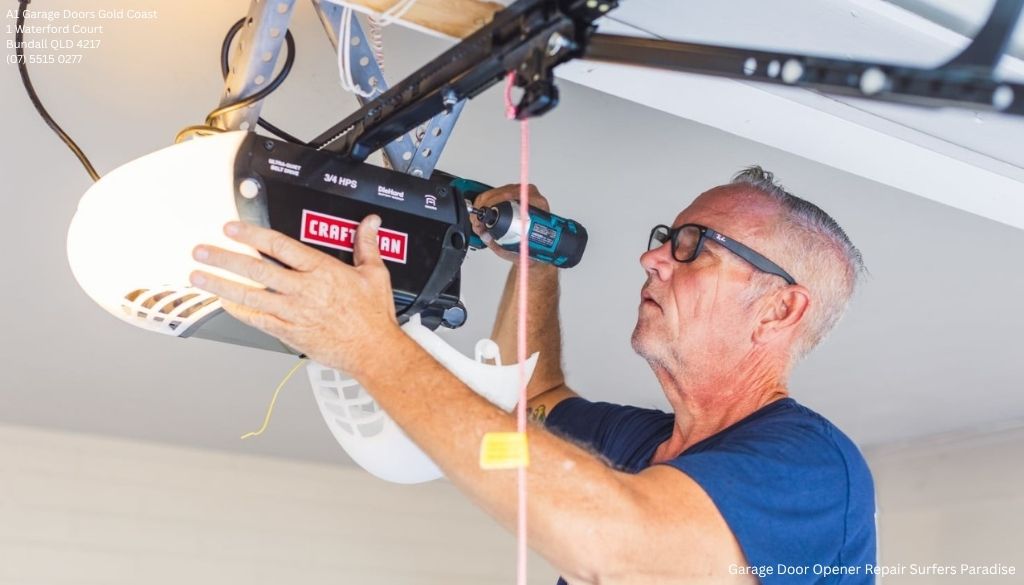
The force settings control how much pushing and pulling effort the opener applies before it decides something is wrong and stops. This is central to safety. If the door meets resistance while closing, an obstruction, a person, a pet, the opener should sense the extra force and reverse. The force setting is what allows it to tell the difference between the normal effort of moving the door and the abnormal effort of pushing against something. Set too high, the opener can drive the door into an obstruction with dangerous force. Set too low, the door reverses at the slightest resistance, even when nothing is in garage door sources the way.
Symptoms of Incorrect Settings
- Door stops short of closing: The down limit may be set too high, leaving a gap.
- Door reverses just before or after touching the floor: The down limit or force may be misadjusted, or the door is hitting the floor too hard.
- Door reverses for no obvious reason: Force set too low, or limits off, can cause nuisance reversals.
- Door closes with a heavy thump: The down force may be set too high.
- Door does not open fully: The up limit may be set too short.
Why Settings Drift Over Time
Force and limit settings can need adjustment as conditions change. A door that becomes heavier or harder to move, through worn rollers, drying lubrication or seasonal changes, alters the effort the opener needs, which can interact with the force settings. Vibration can shift mechanical limit adjusters slightly. After any work on the springs, cables or balance, the settings often need rechecking, because the opener's effort depends on the door being correctly balanced underneath it.
The Safety Reason for Caution
It is tempting, when a door reverses or stops short, to simply wind the force up until the door behaves. This is exactly the wrong move. Increasing the force to overcome a door that is hard to move defeats the safety system, because the opener will then also apply that greater force to anything in the door's path. The correct approach is to find why the door needs more effort, emergency garage door services Gold Coast fix that, and set the force to the minimum that reliably operates a properly balanced door. The force setting should never be a workaround for an underlying mechanical fault.
Common Homeowner Mistakes
- Cranking up the force to stop nuisance reversals: This masks a mechanical problem and undermines safety.
- Adjusting limits by trial and error: Without understanding the cause, this often introduces new faults.
- Ignoring a hard-to-move door: The real fix is usually balance, rollers or lubrication, not the opener settings.
- Skipping the safety reversal test: After any adjustment, the door's auto-reverse should be confirmed working.
How Technicians Set Them Correctly
A technician first ensures the door is mechanically sound and properly balanced, because the settings only behave predictably on a good door. They then set the travel limits so the door fully opens and seats cleanly closed without forcing the floor, and set the force to the minimum needed to operate the balanced door reliably. Finally they test the auto-reverse, confirming the door reverses when it meets resistance, so the safety function works as intended.
When to Call a Professional
If your door stops short, reverses without reason, closes too hard, or will not open fully, a technician can check whether the cause is the settings or an underlying mechanical issue, and set the force and limits correctly while confirming the safety reversal. Because these settings are part of the door's safety system, getting them right matters.
Frequently Asked Questions
Should I adjust the force settings myself?
It is best approached with caution. Increasing force to mask a fault undermines safety, so the cause should be addressed first and the reversal tested afterward.
Why does my door stop before reaching the floor?
The down travel limit may be set too high, or the door may be reversing off an obstruction or because the force is set too sensitively.
What happens if the closing force is too high?
The door may close on an obstruction without reversing, which is a safety hazard, and it may push hard into the floor.
Do the settings need rechecking after spring repairs?
Yes. Because the opener's effort depends on the door's balance, settings should be rechecked after work on springs, cables or balance.
About A1 Garage Doors Gold Coast
A1 Garage Doors Gold Coast services homes and businesses across the Gold Coast and surrounding suburbs for repairs, replacements and installations. Contact details are below.
A1 Garage Doors Gold Coast
1 Waterford Court, Bundall, QLD 4217 Phone: (07) 5515 0277 Website: https://goldcoastgaragedoorrepair.com.au The force and travel-limit settings decide where your door stops and how hard it pushes, which makes them a convenience feature and a safety system at once. When a door stops short, reverses oddly or closes too hard, the fix is rarely to simply crank up the force, since that defeats the auto-reverse that protects people and pets. Address why the door needs more effort, set the limits and force on a properly balanced door, and always confirm the safety reversal still works.